
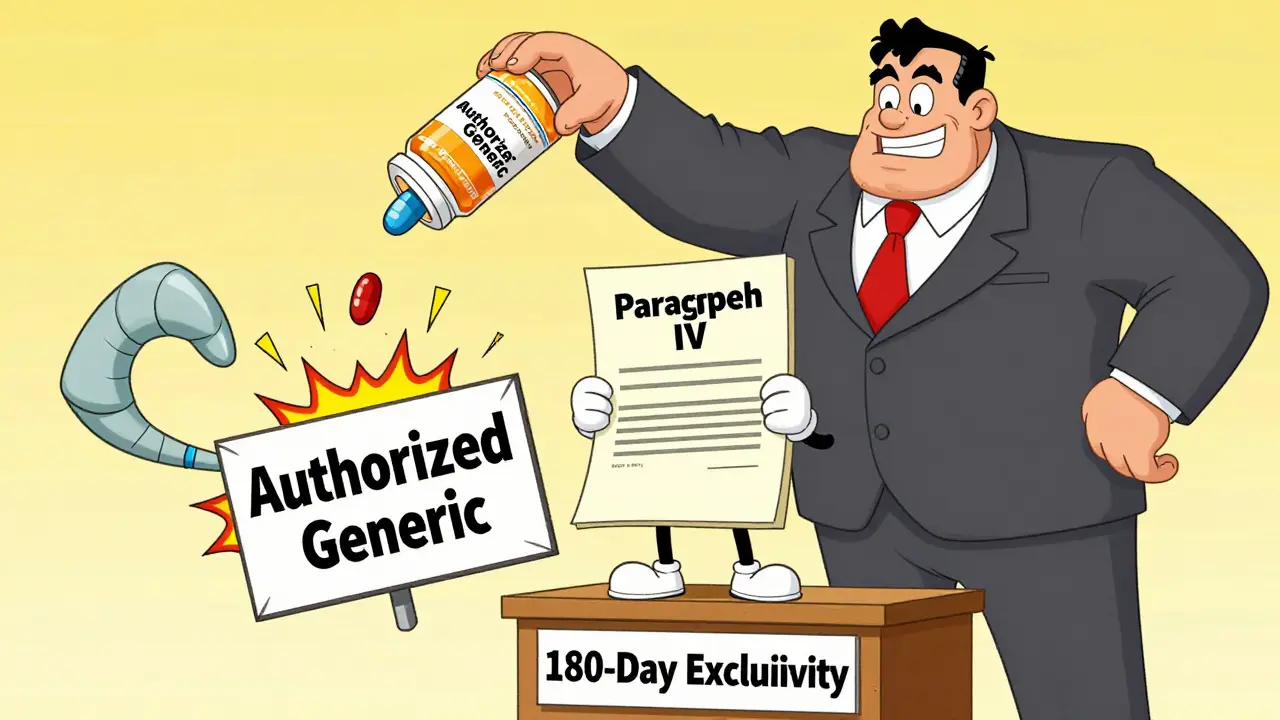
The 180-day exclusivity rule for generic drugs was meant to reward patent challengers-but authorized generics let brand-name companies undercut them. Here's how the law works, why it's broken, and what’s being done to fix it.
Read More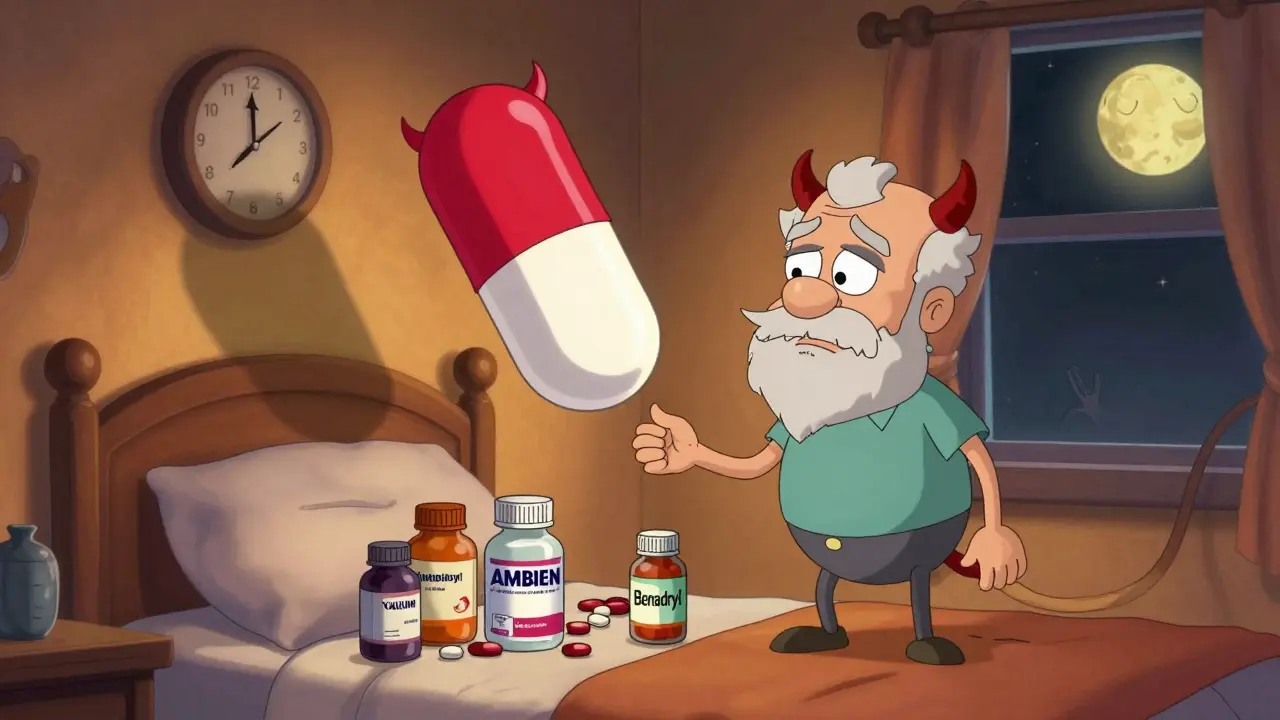
Sleep medications for seniors carry serious risks - falls, dementia, confusion. Safer alternatives like CBT-I and low-dose doxepin exist. Learn which drugs to avoid and what actually works for long-term, healthy sleep in older adults.
Read More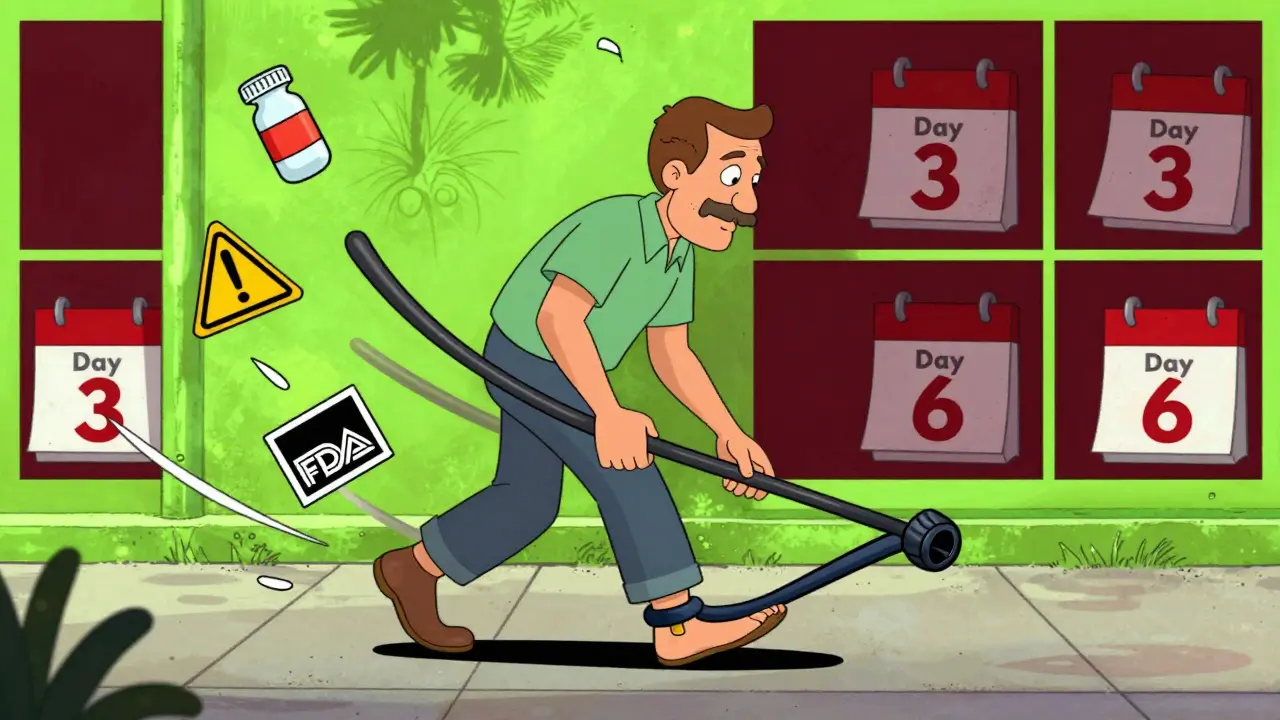
Fluoroquinolone antibiotics can cause sudden, serious tendon rupture-especially in older adults and those on steroids. Know the risks, signs, and safer alternatives before taking these drugs.
Read More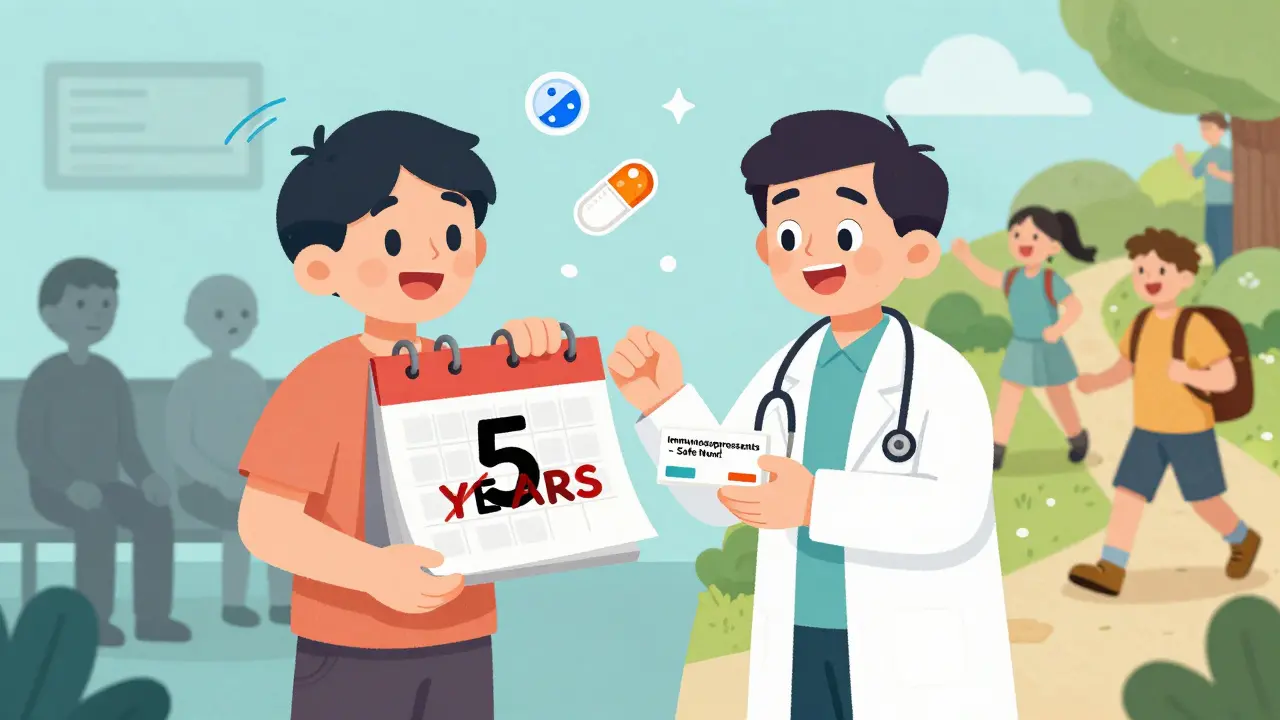
New research shows immunosuppressants don't increase cancer recurrence risk, even if started within five years of treatment. Learn what drugs are safe, when to restart them, and how to monitor your health.
Read More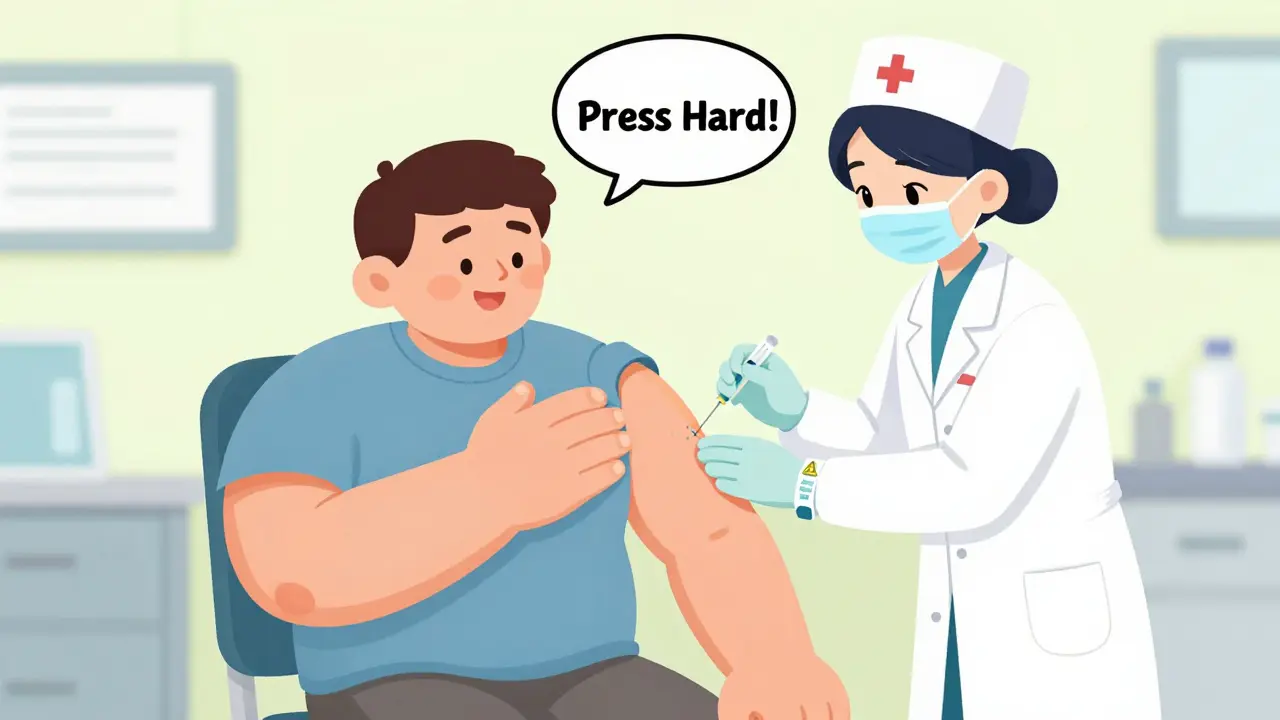
Vaccinations are safe for people on blood thinners, but improper technique can cause bruising and bleeding. Learn the right needle size, pressure duration, and dosing tips to avoid complications and stay protected.
Read More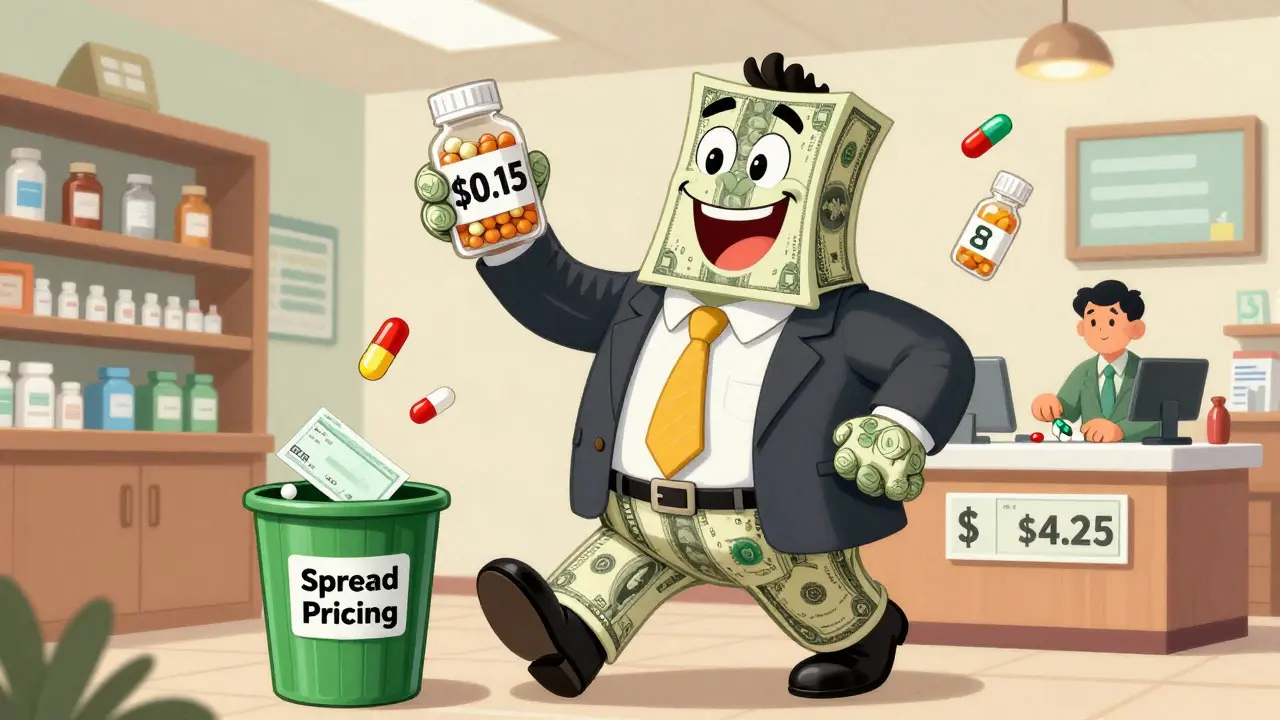
Generic drugs don’t come with big rebates-but hidden fees called spread pricing let PBMs profit from what insurance pays. Learn how the real cost works and why your copay doesn’t tell the whole story.
Read More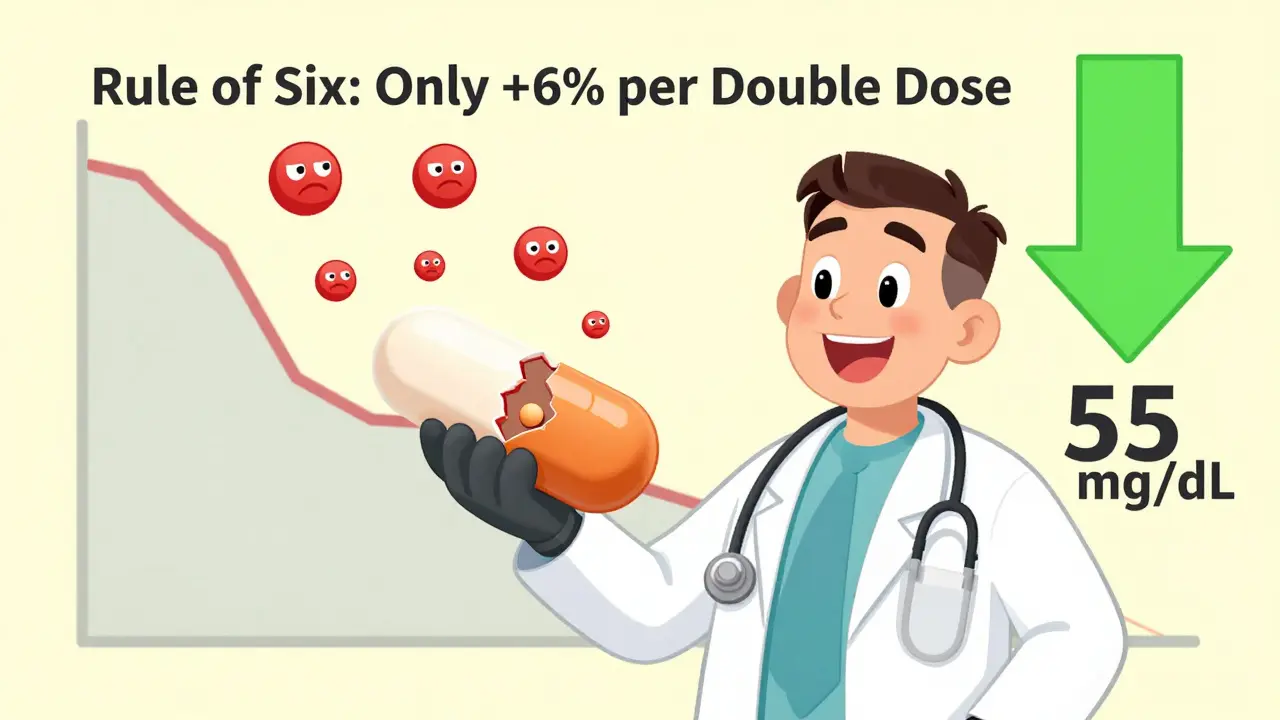
Combination cholesterol therapy with reduced statin doses lowers LDL more safely than high-dose statins alone. Adding ezetimibe or bempedoic acid helps patients reach targets with fewer side effects and better adherence.
Read More
Learn how medications work in your body through pharmacology basics-understanding pharmacokinetics, pharmacodynamics, drug targets, and why individual responses vary. Essential knowledge for safer, smarter medication use.
Read More
Learn the difference between manufacturer expiration dates and pharmacy beyond-use dates for medications. Know when your pills are still safe, when they’re not, and what to do if you're unsure.
Read More
Learn how to track essential medication safety updates from professional societies like ISMP, FDA, and ASHP. Simple steps to prevent errors, save lives, and stay compliant without being overwhelmed.
Read More