
Fluoroquinolone Tendon Risk Calculator
Results will appear here after calculation
When you take an antibiotic like ciprofloxacin or levofloxacin for a stubborn infection, you’re probably thinking about getting better-not about your tendons snapping. But here’s the hard truth: these widely used antibiotics can seriously damage your tendons, sometimes without warning. The risk isn’t small. It’s real, it’s documented, and it’s getting stricter by the year. In fact, the FDA added a black-box warning to fluoroquinolones in 2008-the strongest safety alert they have-because of tendon ruptures that left people unable to walk, work, or even stand.
Which Fluoroquinolones Are Most Dangerous?
Not all fluoroquinolones are the same when it comes to tendon risk. The data shows clear patterns. Levofloxacin is the most commonly linked to tendon problems, accounting for over half of reported cases. Ciprofloxacin comes in second, with nearly 40%. Moxifloxacin is less common but still carries risk. These aren’t just random stats-they’re based on over 100,000 adverse event reports from global databases like VigiBase. If you’re prescribed one of these, ask your doctor: Is this really the best choice?The Achilles tendon takes the biggest hit. About 90% of fluoroquinolone-related tendon injuries happen there. That’s the thick cord at the back of your ankle that lets you push off when you walk, run, or climb stairs. But it’s not just one tendon. Up to half of people who develop tendinopathy from these drugs have problems in both ankles. And it doesn’t always happen while you’re still taking the pill. Symptoms can show up days after you finish the course-or even months later.
How Fast Can This Happen?
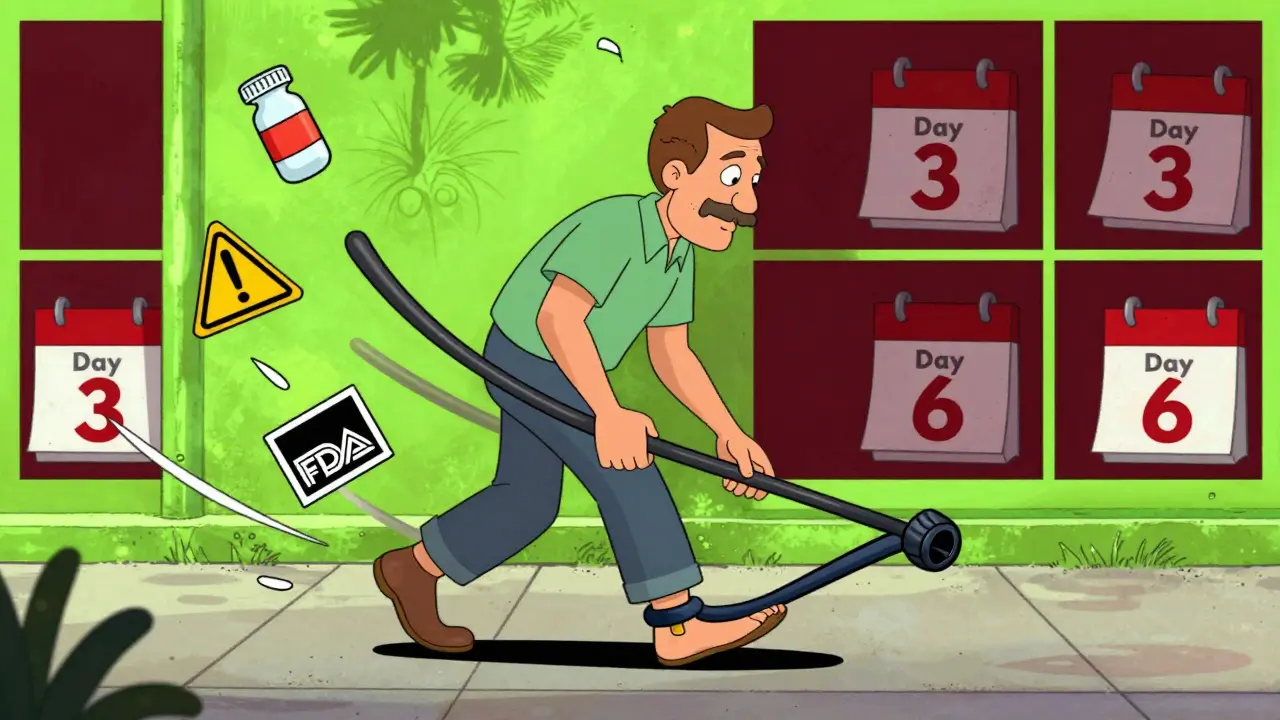
You might think side effects take weeks to appear. Not with fluoroquinolones. The median time from starting the drug to tendon pain is just six days. Eighty-five percent of cases show up within the first month. Some people report pain within hours. One documented case had tendon rupture just two hours after taking the first dose. That’s not a typo. It’s real. And if you’re over 60, the risk jumps dramatically. People aged 60 to 79 are over six times more likely to rupture a tendon. For those 80 and older? The risk is more than 20 times higher.The Big Red Flag: Steroids and Fluoroquinolones Together
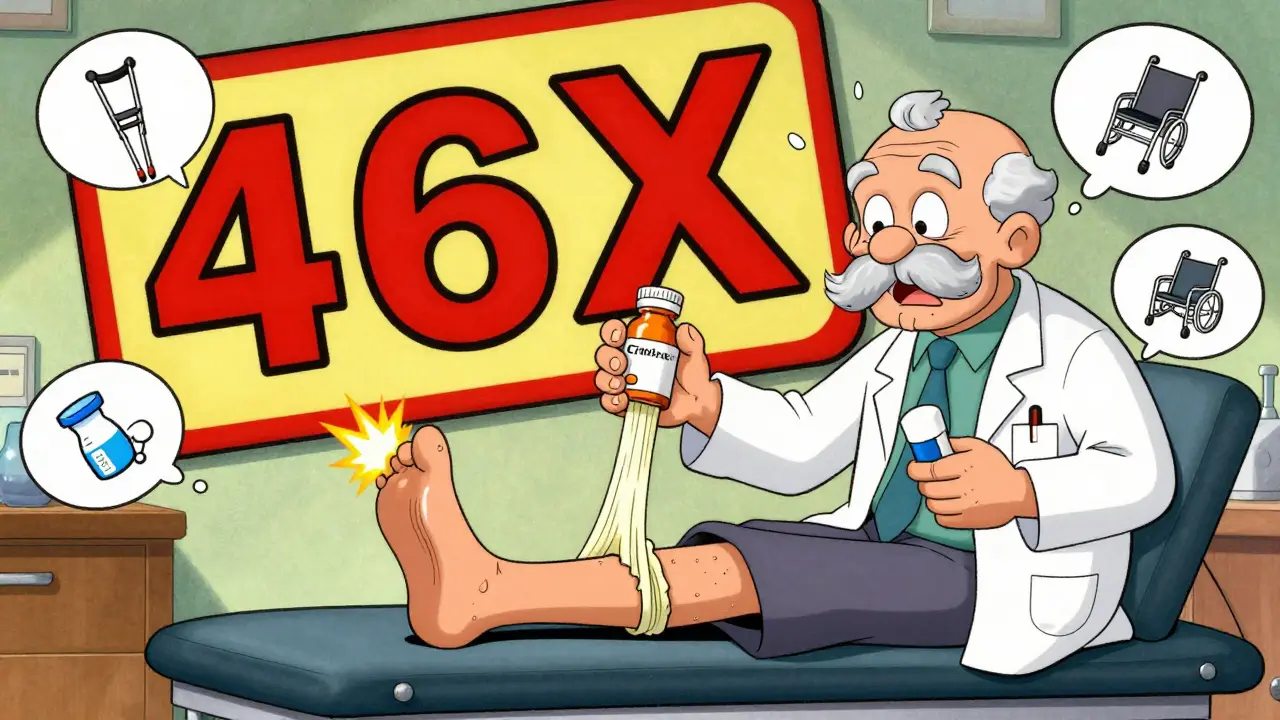
This is where things get dangerous fast. If you’re taking a corticosteroid-like prednisone-for arthritis, asthma, or an autoimmune condition-and your doctor prescribes a fluoroquinolone, you’re playing Russian roulette with your tendons. Studies show the combination increases the chance of rupture by 46 times. That’s not a slight uptick. That’s a catastrophic spike. And it’s not theoretical. Emergency rooms see this all the time: older patients on prednisone who take cipro for a UTI and end up in surgery because their Achilles tendon snapped while walking to the bathroom.Even if you’re not on steroids, other conditions raise your risk. Diabetes. Kidney disease. Organ transplants. A history of prior tendon injury. These aren’t just risk factors-they’re red lights. If you have any of these, fluoroquinolones should be the absolute last resort, not the first choice.
Why Does This Happen?
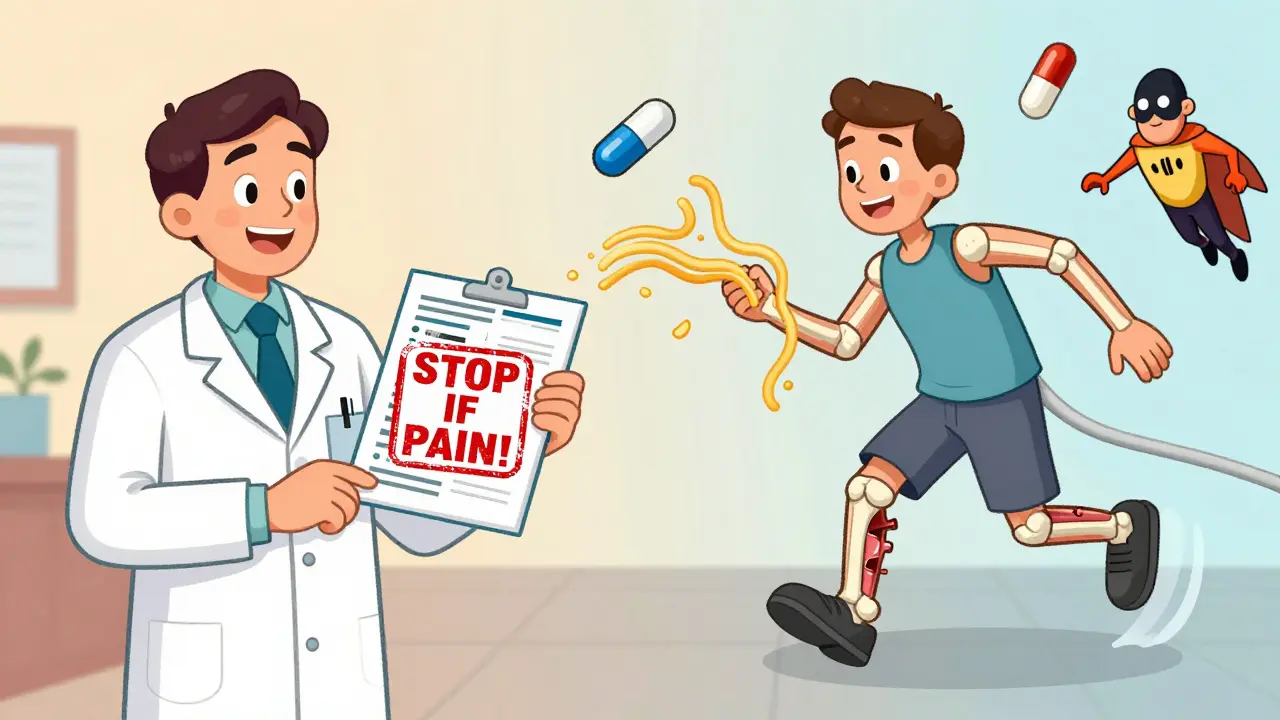
It’s not just an allergy or a coincidence. Fluoroquinolones attack your tendons on a cellular level. They interfere with mitochondria-the energy factories inside your cells-causing them to self-destruct. They trigger inflammation by releasing harmful chemicals like nitric oxide. They bind to magnesium and calcium, which your tendons need to stay strong and flexible. And they mess with the enzymes that help your cells repair DNA. Over time, your tendons weaken from the inside out. You might not feel it until it’s too late.That’s why tendon pain isn’t just a nuisance-it’s a warning sign. If you feel sudden stiffness, swelling, or sharp pain in your heel, shoulder, or wrist while on one of these drugs, stop taking it immediately. Don’t wait. Don’t brush it off as muscle soreness. The FDA and UK’s MHRA both say: Discontinue the drug at the first sign of tendinitis. And get your limb immobilized. Moving on a damaged tendon can turn a strain into a full rupture in minutes.
Is This Risk Real Everywhere?
You might have heard conflicting reports. A 2022 study from Japan claimed fluoroquinolones weren’t linked to tendon ruptures. But here’s the catch: that study looked at patients who already had ruptures and compared them to themselves before taking the drug. That’s not the same as looking at large populations over time. The UK study of 6.4 million people found a 4.3 times higher risk of tendinitis and a 2 times higher risk of rupture. The Taiwan study of over 350,000 people confirmed the same pattern. The FDA analyzed over 120 million patient records. These aren’t small studies. They’re massive, real-world datasets.Why the contradiction? Maybe differences in genetics, diet, activity levels, or how strictly doctors follow prescribing rules. But the weight of evidence is overwhelming. Regulatory agencies around the world-FDA, MHRA, EMA-have all tightened restrictions. They now say fluoroquinolones should only be used when no other antibiotic will work. That’s not a suggestion. It’s a rule.
What Are Doctors Doing About It?
In 2023, the Infectious Diseases Society of America updated its guidelines to make fluoroquinolones a third-line option for common infections like sinusitis, bronchitis, and urinary tract infections. That means: try amoxicillin, trimethoprim, or nitrofurantoin first. Only if those fail, consider fluoroquinolones-and even then, only if the patient has no risk factors.Pharmacists now hand out updated medication guides to patients. These aren’t fluff. They explicitly say: Stop this drug and call your doctor if you feel tendon pain. In 2018, the FDA distributed these guides to over 6,000 healthcare facilities. They’re not just warning you-they’re training doctors to listen when you say, “My heel hurts.”
Who’s Most at Risk?
Here’s a quick checklist. If any of these apply to you, fluoroquinolones are probably not safe:- You’re over 60
- You’re taking steroids (even a low dose)
- You have diabetes
- You have kidney problems
- You’ve had a tendon injury before
- You’re an athlete or do a lot of running or jumping
- You’re female (studies show slightly higher reporting rates)
And here’s what you should never do: combine fluoroquinolones with NSAIDs like ibuprofen or naproxen. They don’t cause tendon damage directly, but they mask pain-so you might keep moving on a tendon that’s already failing. That’s a recipe for disaster.
What If You’ve Already Taken One?
If you took a fluoroquinolone last month and feel no pain, you’re probably fine. But if you’re over 60, or you’re on steroids, or you’ve had tendon issues before, stay alert for another six months. Symptoms can show up late. If you feel any new stiffness, swelling, or sharp pain in your heels, shoulders, or wrists, don’t wait. See a doctor. Get an ultrasound. Early detection can prevent a full rupture.And if you’ve already had a rupture? Recovery is long. Surgery is often needed. Physical therapy can take months. Some people never fully regain strength. That’s why prevention is everything.
What Are the Alternatives?
For most common infections, there are safer options:- UTIs: Nitrofurantoin, trimethoprim, or fosfomycin
- Sinusitis: Amoxicillin or amoxicillin-clavulanate
- Bronchitis: Usually no antibiotics needed, but if yes, azithromycin or doxycycline
- Pneumonia: Doxycycline, azithromycin, or amoxicillin
Fluoroquinolones still have their place-for serious infections like anthrax, complicated pyelonephritis, or resistant bacterial infections. But for the everyday bugs? They’re overkill. And the cost isn’t just financial. It’s your mobility. Your independence. Your quality of life.
Final Thought: Your Body Is Telling You Something
Tendon pain isn’t just a side effect. It’s a red flag. A signal that your body is breaking down. Fluoroquinolones don’t just kill bacteria-they can weaken your connective tissue. And once a tendon ruptures, it doesn’t heal the same way it did before. You might walk again. But you might never run again. Or climb stairs without pain. Or carry groceries without fear.If your doctor suggests a fluoroquinolone, ask: Is this absolutely necessary? What are the alternatives? Do I have any risk factors? If they hesitate-or worse, dismiss your concerns-that’s your cue to get a second opinion. You’re not being paranoid. You’re being smart.
Can fluoroquinolones cause tendon rupture even after I stop taking them?
Yes. While most tendon issues start within the first month of use, symptoms-including rupture-can appear weeks or even months after you’ve finished the course. The FDA and MHRA both warn that the risk doesn’t disappear when you stop the drug. If you develop sudden tendon pain after taking a fluoroquinolone, even months later, seek medical attention immediately.
Is tendon damage from fluoroquinolones reversible?
Mild tendinitis may improve with rest and stopping the drug. But once a tendon ruptures, it rarely heals on its own. Surgery is often required, and even after recovery, many people experience lasting weakness, reduced mobility, or chronic pain. Early intervention is critical to prevent permanent damage.
Are there any fluoroquinolones that are safer for tendons?
No. All fluoroquinolones carry tendon risks, though levofloxacin and ciprofloxacin are most commonly linked to problems. Moxifloxacin and others still pose danger. There is no safe option in this class when it comes to tendon health. The only way to reduce risk is to avoid them unless absolutely necessary.
Should I avoid fluoroquinolones if I’m over 60?
Yes, unless there’s no other option. People over 60 are at significantly higher risk-up to 20 times more likely to suffer a rupture. For common infections like UTIs or bronchitis, safer antibiotics exist. Fluoroquinolones should be reserved for life-threatening or drug-resistant infections in older adults.
What should I do if I feel tendon pain while on a fluoroquinolone?
Stop taking the medication immediately. Do not wait for the pain to get worse. Contact your doctor or go to urgent care. Avoid putting weight on the affected area-rest and immobilize the joint. Early action can prevent a full rupture. Never ignore tendon pain while on these drugs.