
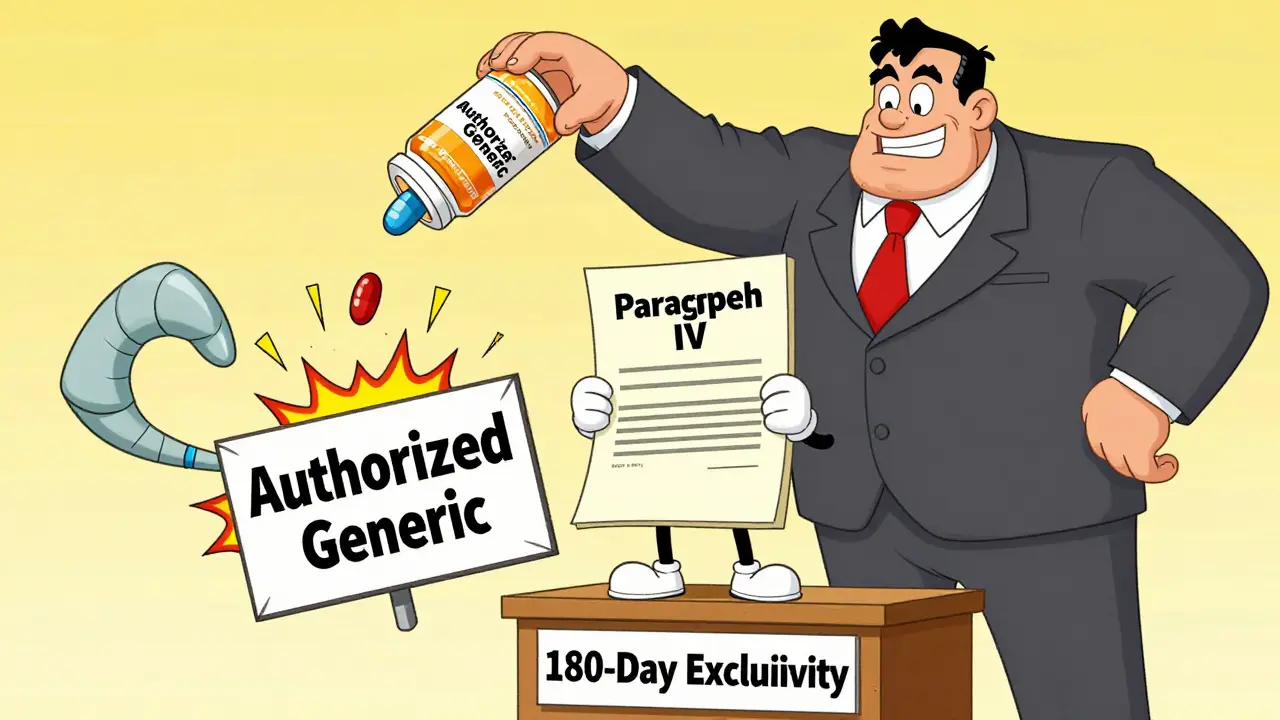
The U.S. generic drug market runs on a fragile balance: one law gives a single company a 180-day window to be the only generic seller of a brand-name drug, but then lets the brand-name company itself jump in with the exact same product-just without the brand name. This isn’t a glitch. It’s the system. And it’s been breaking the intended incentive for over 30 years.
What Is the 180-Day Exclusivity Rule?
The 180-day exclusivity rule comes from the Hatch-Waxman Act of 1984. It was designed to push generic drug makers to challenge weak or overreaching patents on brand-name drugs. If a generic company files a Paragraph IV certification-saying a patent is invalid or not infringed-and wins the legal battle, they get a 180-day head start. During that time, the FDA can’t approve any other generic version of the same drug.
This isn’t just a minor perk. It’s worth hundreds of millions of dollars. For a blockbuster drug like Humalog or Lipitor, the first generic could capture 80% of the market in those six months. That’s why companies spend $2-$5 million on lawsuits just to get a shot at it. But here’s the catch: the law never stopped the original brand-name maker from selling their own version of the drug under a different label.
What Are Authorized Generics?
An authorized generic is the exact same pill, capsule, or injection as the brand-name drug. Same active ingredient. Same factory. Same packaging-except the brand name is gone. The manufacturer just puts a generic label on it and sells it as a generic. No FDA review needed. No bioequivalence studies. No waiting.
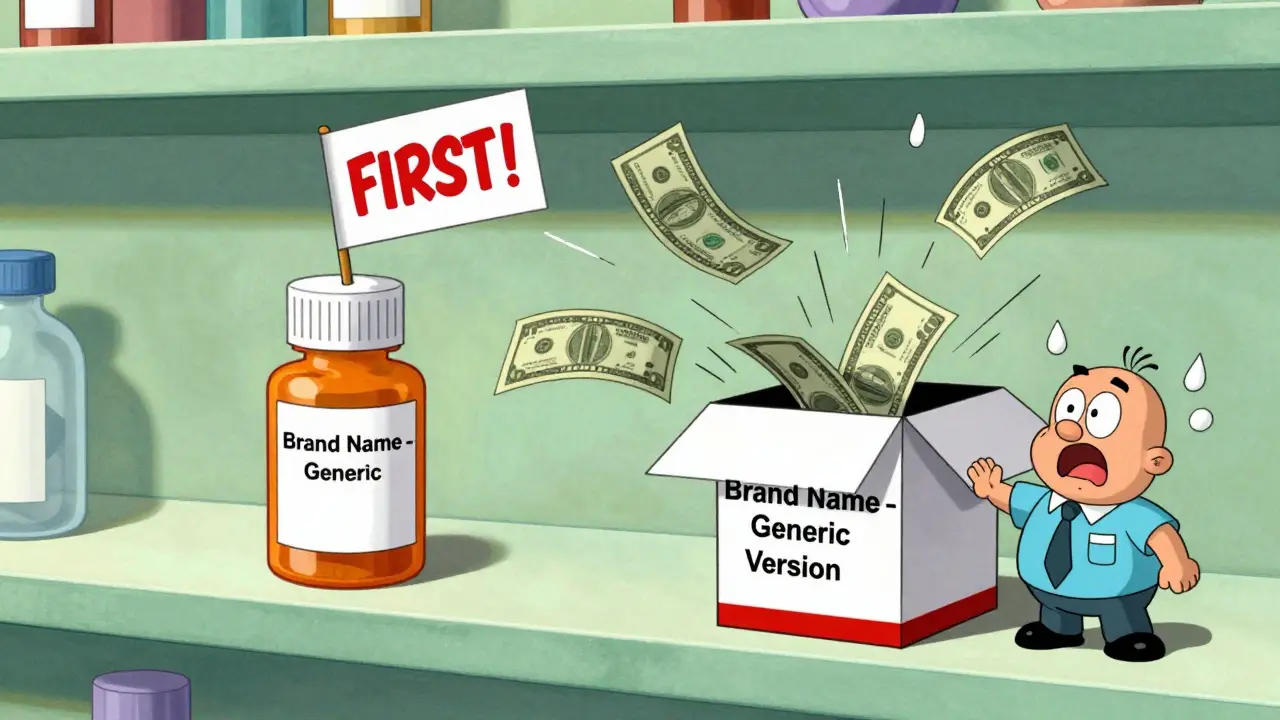
That’s legal. And it’s common. Between 2005 and 2015, brand-name companies launched authorized generics in about 60% of cases where a first generic got 180-day exclusivity. When that happens, the first generic’s market share drops from 80% to around 50%. Revenue? Down 30-50%. Suddenly, that $5 million lawsuit doesn’t look so profitable.
Why Does This Happen?
The Hatch-Waxman Act was meant to reward patent challengers. But it didn’t account for the brand-name companies’ playbook. Why would a company let someone else take all the money from their own drug? They don’t. They launch an authorized generic the moment the first generic hits the market. Now there are two versions of the same drug: one from the generic company, one from the brand. Prices drop, but the original manufacturer still gets a cut.
It’s a legal loophole that makes sense from a corporate perspective. But it defeats the purpose of the exclusivity rule. Generic companies don’t get the monopoly they were promised. Patients get lower prices, yes-but the incentive to challenge patents shrinks. Smaller generic manufacturers, especially, are walking away from Paragraph IV challenges because the risk isn’t worth it anymore.
Legal Battles and Settlements
Most of the time, the first generic company doesn’t wait for the brand to launch an authorized generic. They negotiate. In 78% of cases since 2020, generic makers have included clauses in patent settlement agreements that delay or block the brand from releasing an authorized generic during the exclusivity window. These deals are often called "reverse payments"-the brand pays the generic to drop the lawsuit or delay entry.
The FTC has sued 15 brand-name companies since 2010 for using these tactics to delay competition. Courts have ruled some of them illegal. But many still happen. In 2019, Teva sued Eli Lilly after Lilly launched an authorized version of Humalog during Teva’s exclusivity period. Teva lost an estimated $287 million in revenue. That kind of loss doesn’t just hurt a company-it changes how the whole industry operates.
Who Wins and Who Loses?
Patients benefit from lower prices. That’s undeniable. When an authorized generic enters the market alongside the first generic, prices drop faster than if only one generic is selling. A RAND Corporation study in 2021 showed prices fell 15-25% more when authorized generics were present.
But the system isn’t fair. Generic companies invested millions in litigation, took the legal risk, and got undercut by the very company they challenged. The FDA says the exclusivity rule is meant to "allow a successful patent challenger to capture an individual bounty." But when the brand-name company sells the same product under a different label, that bounty gets split-and often, the generic gets the smaller share.
Meanwhile, the brand-name companies keep their profits. They don’t need to invest in generic manufacturing-they just repackage their own product. And they still get to charge the same price they did before generics entered the market, because now they’re competing with themselves.
What’s Being Done About It?
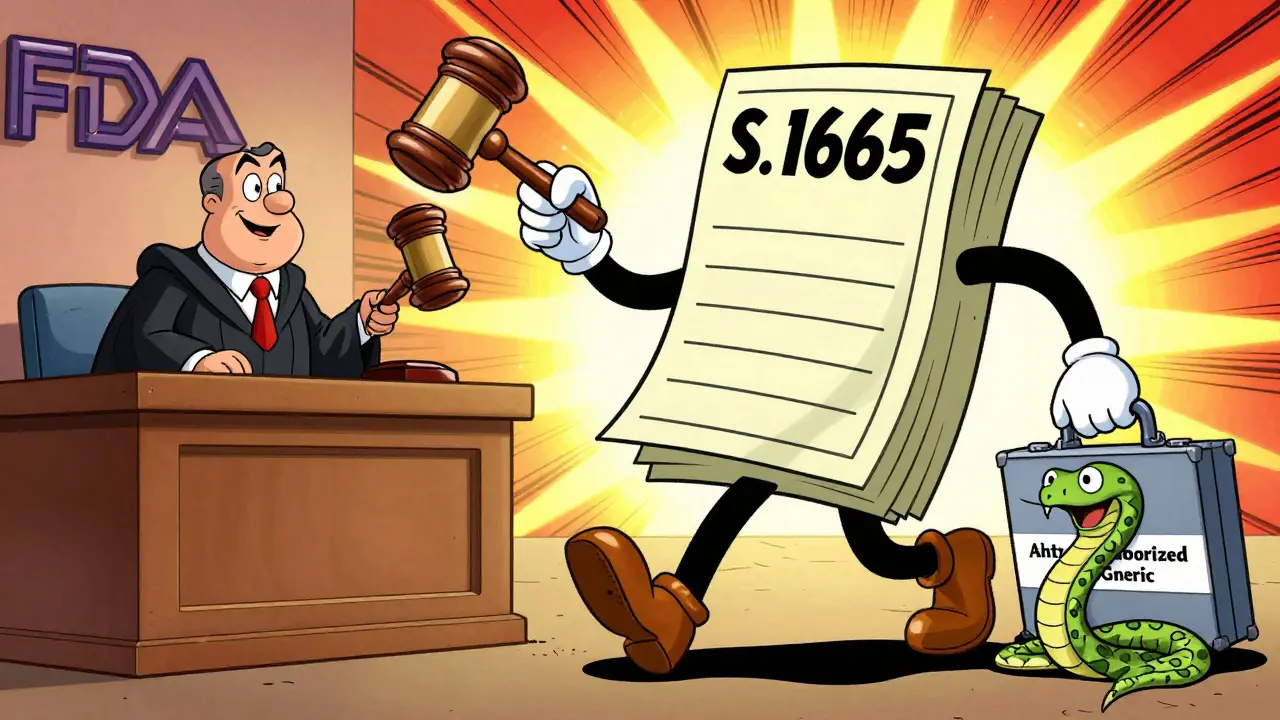
There’s been a push to fix this for over a decade. The Preserve Access to Affordable Generics and Biosimilars Act has been reintroduced in Congress multiple times since 2009. The latest version, S. 1665, would ban brand-name manufacturers from launching authorized generics during the 180-day exclusivity period. The FDA and FTC both support it. FDA Commissioner Robert Califf told Congress in 2023 that the current system creates "unintended disincentives for timely generic entry."
Without this fix, the value of a successful Paragraph IV challenge is falling. Between 2015 and 2020, first generic entrants captured only 52% of the potential revenue they were supposed to get under the original law. Analysts at Leerink Partners estimate that if the ban passes, the value of these challenges could rise by $150-$250 million per drug. That could mean 20-25% more patent challenges-more competition, faster price drops, more savings for patients.
Practical Risks for Generic Companies
Even without authorized generics, getting the 180-day exclusivity right is hard. The clock doesn’t start when the FDA approves the drug. It starts when the company actually ships the product to pharmacies. Miss that timing by a day, and you lose exclusivity. The FDA says 28% of first applicants between 2018 and 2022 lost part or all of their exclusivity due to procedural errors.
Companies now spend $500,000 to $1 million on legal and regulatory consultants just to make sure they trigger the exclusivity period correctly. They need teams of lawyers, regulatory experts, and logistics managers working in sync. One misstep-delayed shipping, wrong labeling, a paperwork error-and the whole advantage vanishes.
The Bigger Picture
The U.S. generic drug market is worth $65 billion. It fills 90% of prescriptions but accounts for only 23% of total drug spending. That’s because of the Hatch-Waxman Act. Since 1984, it’s saved the healthcare system $2.2 trillion by speeding up generic entry.
But the authorized generic loophole is slowly eroding that progress. The average time between first generic approval and multiple generic competition has dropped from 28 months in 2000 to just 9 months in 2022. That’s not because generics are entering faster. It’s because authorized generics muddy the waters, and then other generics rush in once the exclusivity expires.
The system was built to encourage bold challenges to patents. Now, it’s being used to discourage them. And if the law doesn’t change, fewer companies will risk the lawsuit. Fewer challenges mean fewer generics. Higher prices. And patients pay the price.
What is the 180-day exclusivity period for generic drugs?
The 180-day exclusivity period is a legal incentive under the Hatch-Waxman Act that gives the first generic drug manufacturer to successfully challenge a brand-name patent the exclusive right to sell that generic version for 180 days. During this time, the FDA cannot approve any other generic versions of the same drug. The clock starts when the generic company begins commercial marketing, not when the FDA approves the application.
Can a brand-name company sell an authorized generic during the 180-day exclusivity period?
Yes. Authorized generics are the brand-name drug sold without the brand name on the label. They are manufactured by the original company and require no additional FDA approval. The Hatch-Waxman Act does not prohibit them, so brand-name manufacturers can launch authorized generics at the same time as the first generic, even during the 180-day exclusivity window.
Why do authorized generics hurt first generic manufacturers?
Authorized generics fragment the market. Instead of being the only generic option, the first generic now competes with a version of the same drug made by the brand-name company. This typically reduces the first generic’s market share from 80% to around 50%, cutting potential revenue by 30-50%. This undermines the financial incentive for challenging patents, especially for smaller generic companies.
Are authorized generics cheaper than the brand-name drug?
Yes. Authorized generics are priced lower than the brand-name version because they don’t carry marketing or brand development costs. In many cases, they’re priced similarly to other generics. Studies show that when authorized generics enter the market, overall drug prices drop faster than when only one generic is available.
What is a Paragraph IV certification?
A Paragraph IV certification is a legal statement included in a generic drug application (ANDA) that claims a brand-name drug’s patent is invalid, unenforceable, or will not be infringed. Filing this certification triggers a 45-day window for the brand-name company to sue for patent infringement. If the generic wins the lawsuit, it qualifies for the 180-day exclusivity period.
Is there legislation to stop authorized generics during the exclusivity period?
Yes. The Preserve Access to Affordable Generics and Biosimilars Act (S. 1665/H.R. 3928), introduced in the 118th Congress, would prohibit brand-name manufacturers from launching authorized generics during the 180-day exclusivity period. The FDA and FTC support this change, arguing it would restore the original intent of Hatch-Waxman and increase generic competition.
What Comes Next?
The debate isn’t over. Congress will likely revisit the issue in 2026. The FTC is pushing hard. Generic manufacturers are lobbying harder. And brand-name companies are doubling down on their defense: "Authorized generics lower prices for patients."
But if the goal is to make generic drugs accessible and affordable, then the system needs to reward the companies that take the risk to break the patent monopoly-not let the monopolist undercut them with their own product.
Right now, the law says one thing. The market does another. And patients are caught in the middle. The fix isn’t complicated. Stop the brand from selling the same drug as a generic during the exclusivity window. Let the first challenger win. That’s what Hatch-Waxman was supposed to do.


Post A Comment