
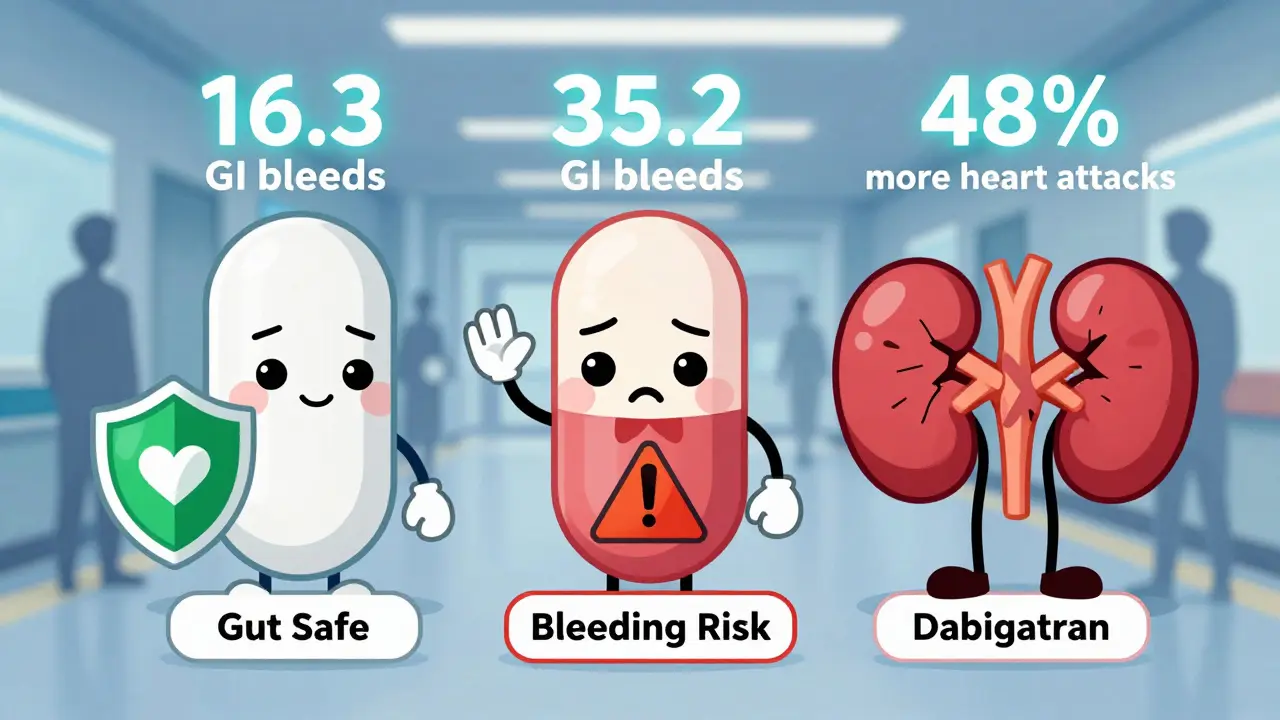
Apixaban, rivaroxaban, and dabigatran are all blood thinners - but they carry very different risks. Apixaban has the lowest bleeding risk, dabigatran raises heart attack risk, and rivaroxaban causes the most major bleeds. Here’s what you need to know to choose safely.
Read More
FDA boxed warnings, or black box alerts, are the strongest safety notices for prescription drugs. Learn what they mean, how they work, and what patients should do when their medication has one.
Read More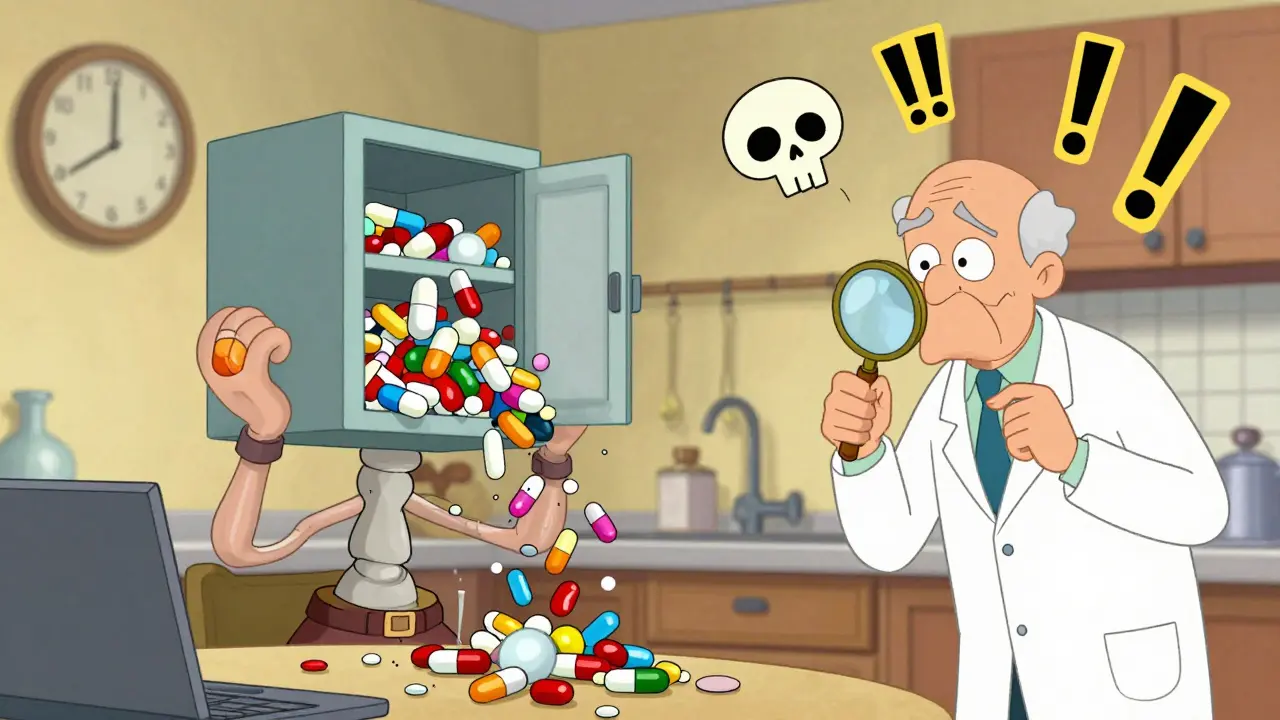
Drug-drug interactions in elderly patients are common and often preventable. Learn how polypharmacy, aging physiology, and fragmented care increase risks - and what tools like Beers Criteria and NO TEARS can do to protect seniors.
Read More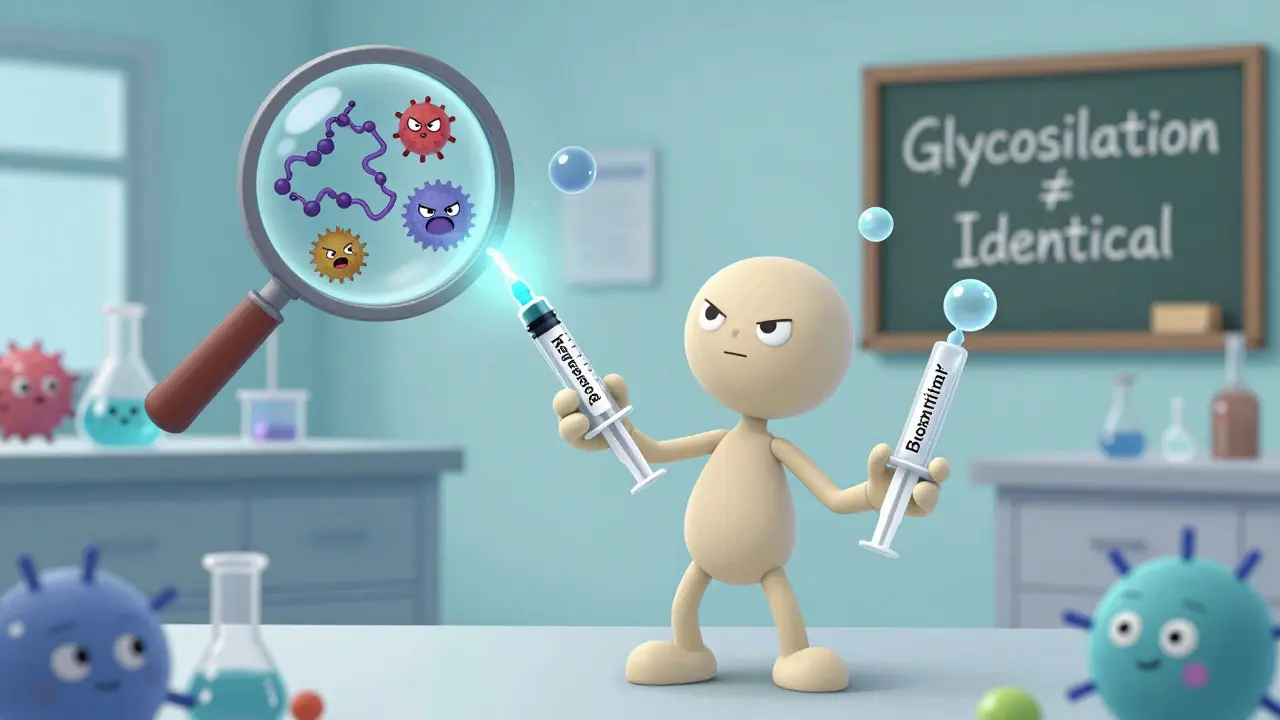
Biosimilars are not generics - tiny biological differences can trigger immune responses in some patients. Learn why immunogenicity matters, how it's measured, and what real-world data shows about differences between biosimilars and their reference biologics.
Read More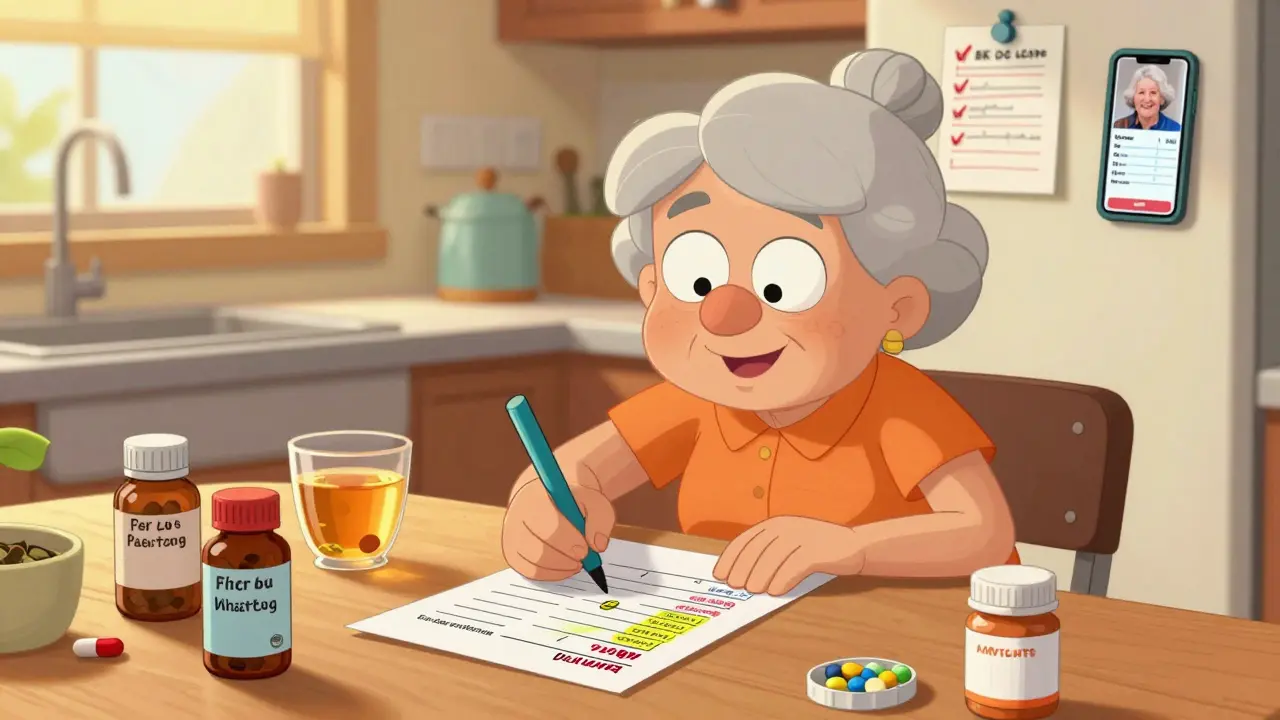
Free printable and digital medication list templates help prevent dangerous drug interactions, reduce ER visits, and improve communication with doctors. Whether you take 2 or 10 meds, a simple, updated list is essential for safety.
Read More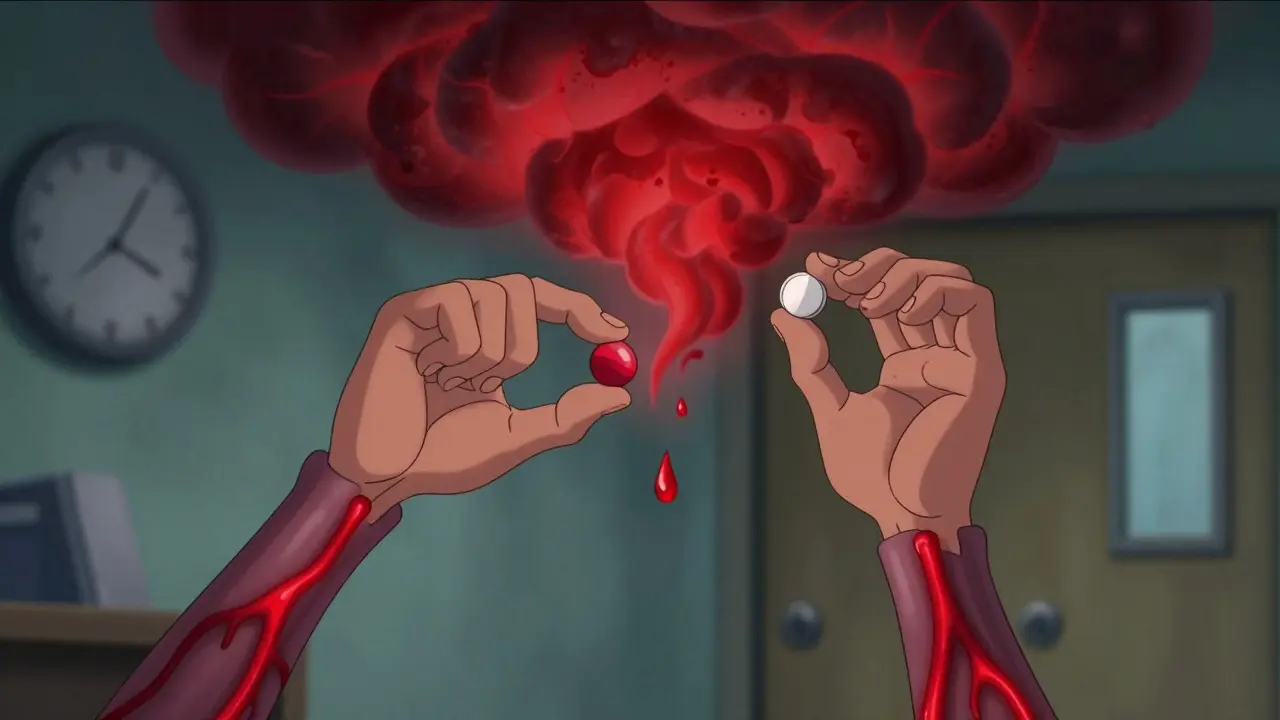
Warfarin and NSAIDs together drastically increase bleeding risk, with naproxen posing the highest danger. Learn how this interaction works, who’s most at risk, and safer pain relief options.
Read More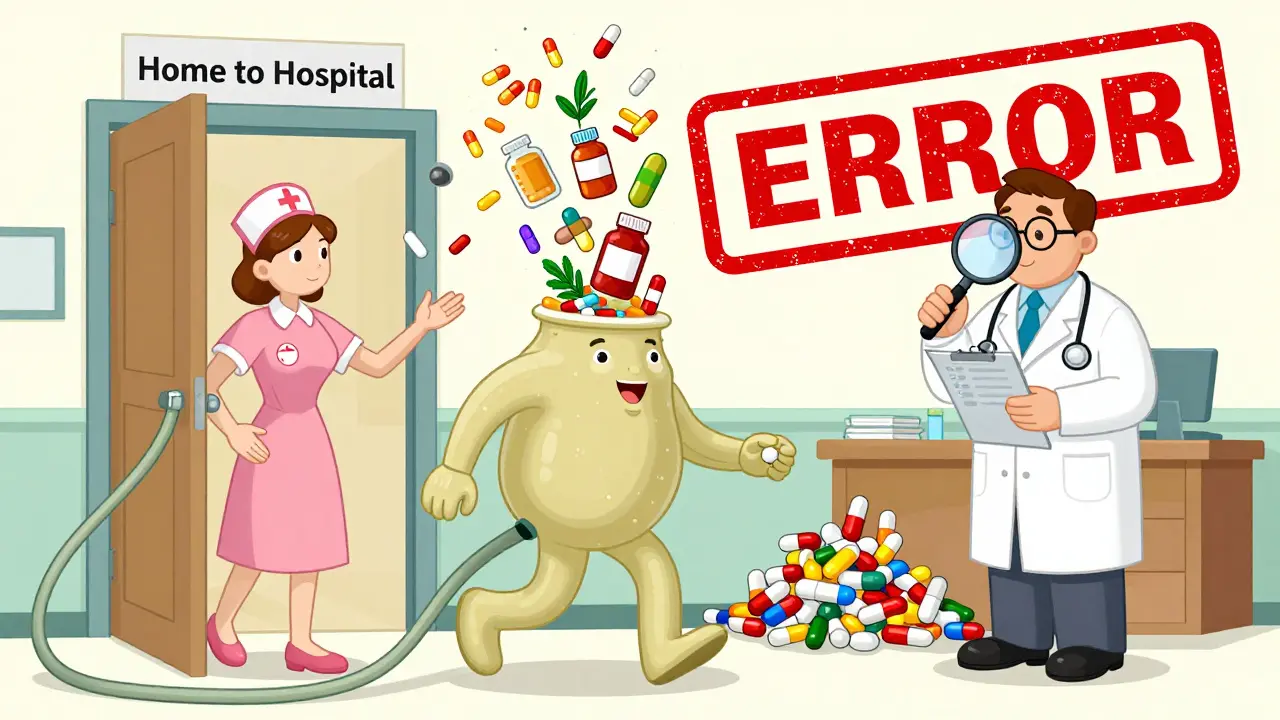
Medication reconciliation is a critical safety process that prevents dangerous errors during care transitions. By comparing a patient’s current meds with new prescriptions, it reduces adverse drug events, hospital readmissions, and preventable harm.
Read More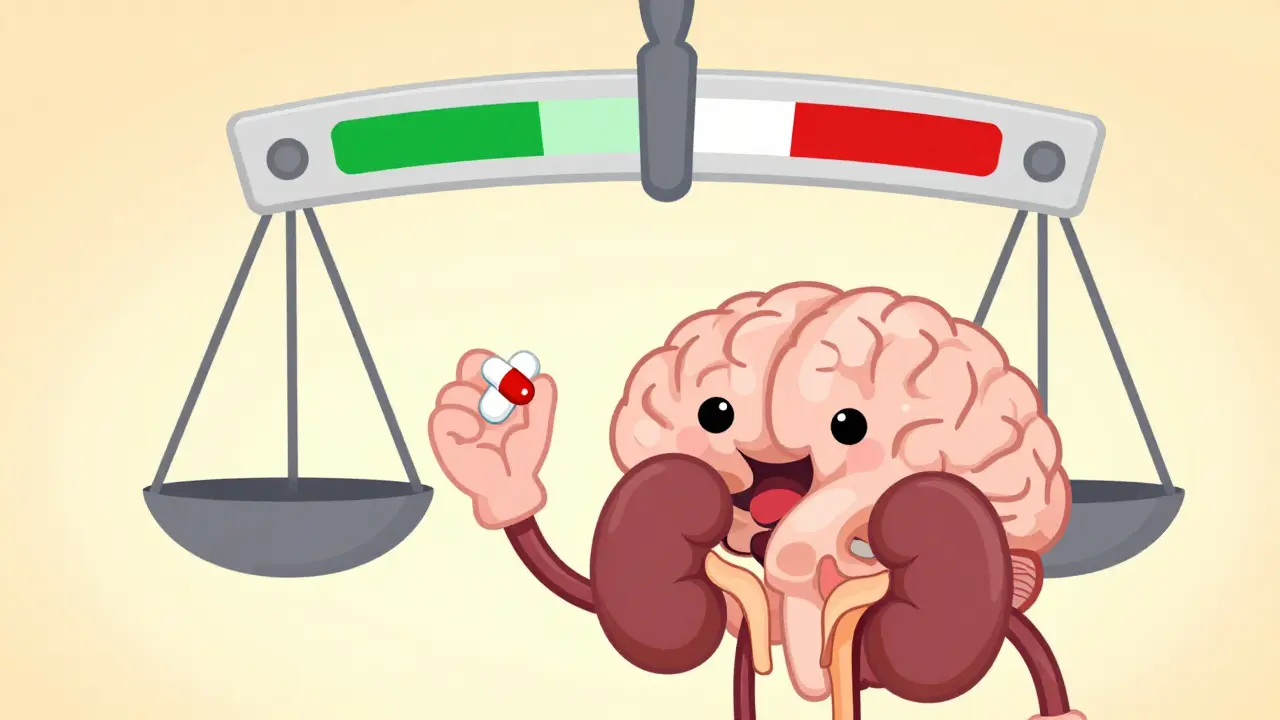
Lithium's risks with NSAIDs, diuretics, and dehydration. Understand toxicity symptoms, how to prevent them, and essential precautions for safe treatment.
Read More
Statins lower LDL cholesterol and cut heart attack risk by up to 60%, but muscle pain affects up to 29% of users. Learn how they work, who’s at risk, and what to do if side effects hit.
Read More
Expired antibiotics may still look fine, but they often lose potency-leading to treatment failure and antibiotic resistance. Learn what’s safe, what’s risky, and how to store them properly.
Read More