
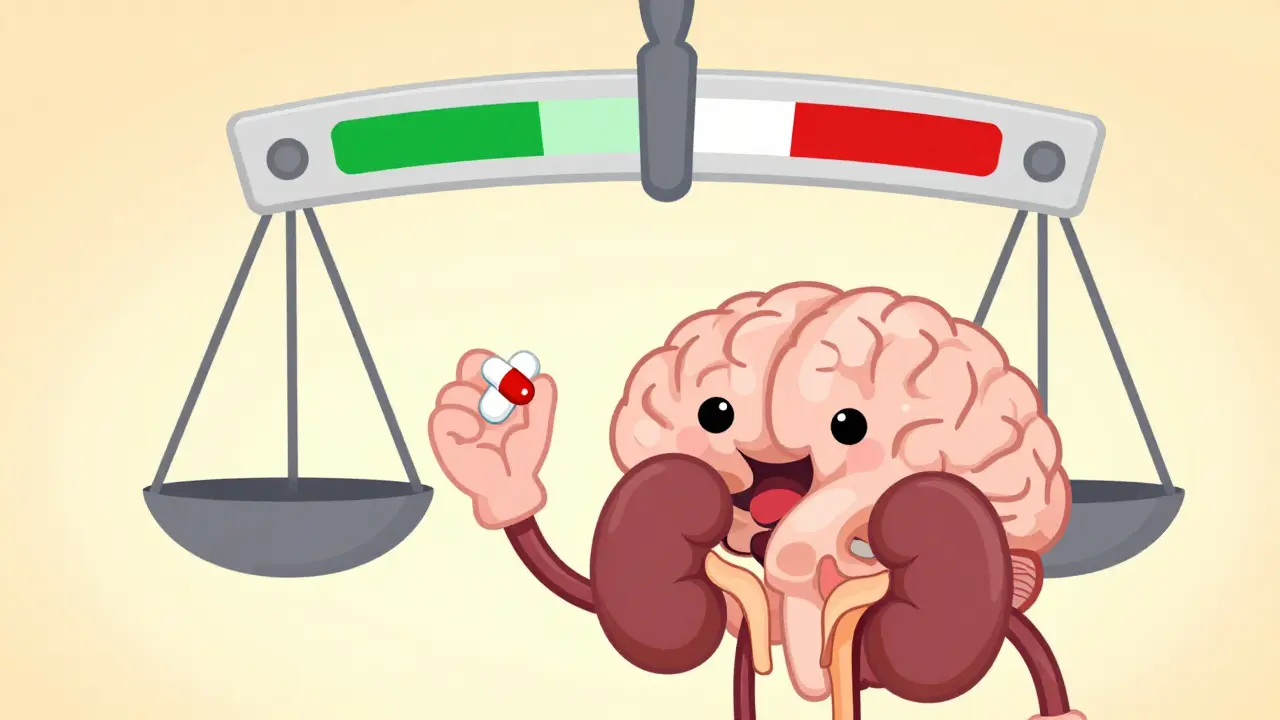
Lithium is a mood stabilizer primarily used for bipolar disorder treatment. It has a narrow therapeutic index of 0.6-1.2 mmol/L. Lithium is eliminated almost entirely through renal excretion (95% unchanged), making it highly sensitive to factors affecting kidney function.
Even small changes in your body can push lithium levels outside this safe range. This is especially true when combining lithium with common medications like NSAIDs or diuretics, or when dehydration occurs. The consequences can be severe-ranging from uncomfortable side effects to life-threatening toxicity. Let’s break down exactly how these interactions happen and what you can do to stay safe.
How NSAIDs Interfere with Lithium Levels
Non-steroidal anti-inflammatory drugs (NSAIDs) like ibuprofen or indomethacin are common pain relievers. But for people taking lithium, these can be dangerous. NSAIDs reduce kidney function by blocking prostaglandins, which normally help the kidneys filter lithium. This causes lithium to build up in the blood.
Research shows indomethacin increases lithium levels by 30-60%, while ibuprofen raises levels by 25-40%. Even celecoxib, often considered safer, can cause a 15-30% increase. These changes usually happen within a week of starting the NSAID. The risk is highest in older adults or those with existing kidney issues.
Take the case documented by Medsafe New Zealand in 2017. A 72-year-old woman with kidney problems developed fatal lithium toxicity after adding an NSAID to her existing lithium and blood pressure medication. Her lithium levels were only checked sporadically. This highlights why regular monitoring is critical when combining these drugs.
Diuretics: A Hidden Risk for Lithium Users
Diuretics, or water pills, are often prescribed for high blood pressure or heart failure. But not all diuretics interact with lithium the same way. Thiazide diuretics like hydrochlorothiazide are particularly risky. They cause lithium levels to spike by 25-50% within 7-10 days. This happens because thiazides reduce sodium reabsorption in the kidneys, which indirectly slows lithium clearance.
Loop diuretics like furosemide (also called frusemide) pose less risk. They typically increase lithium levels by only 10-25%. However, even this modest rise can be dangerous for vulnerable patients. Potassium-sparing diuretics like spironolactone have variable effects, and some studies show they might actually lower lithium levels slightly. Still, caution is needed with any diuretic when taking lithium.
Why do thiazides cause bigger spikes? They work by reducing sodium excretion. Since lithium follows sodium in the renal system, less sodium means less lithium gets flushed out. This is why even a small change in salt intake can affect lithium levels dramatically.
Dehydration: The Silent Amplifier
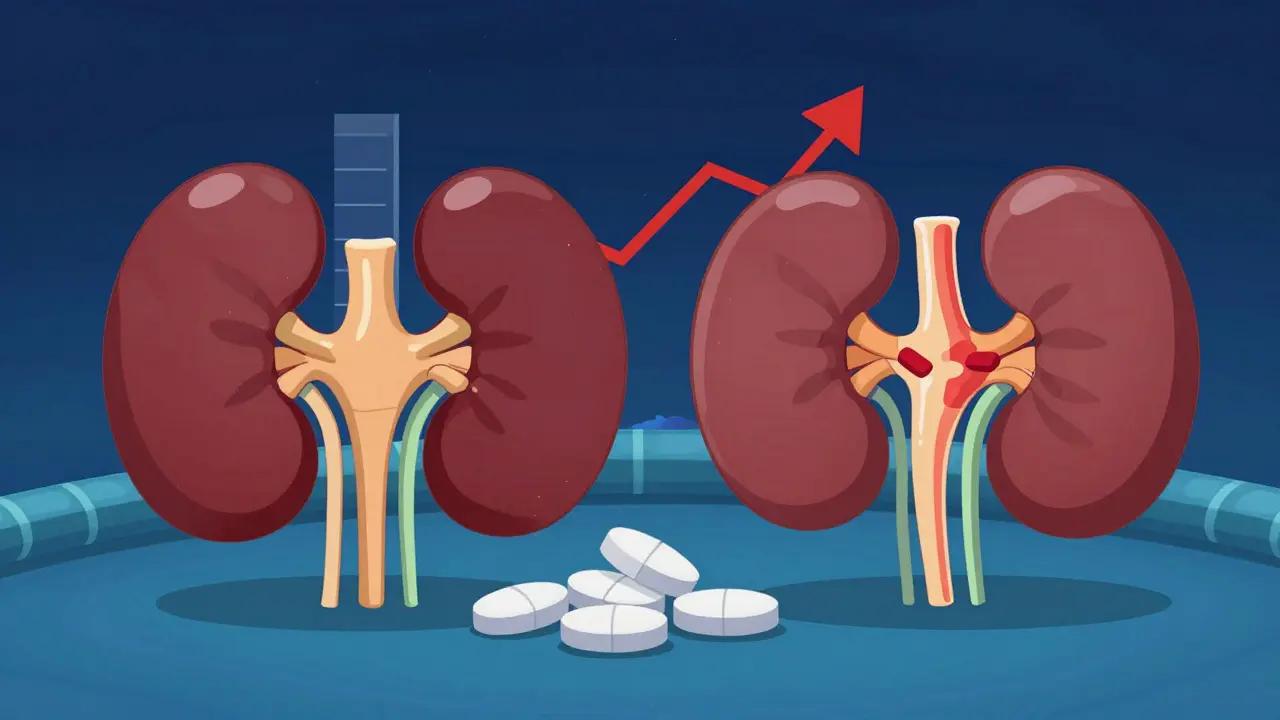
Dehydration is a major risk factor for lithium toxicity. Even mild dehydration-losing just 2-3% of your body weight in water-can push lithium levels up by 15-25%. This happens because lithium is cleared through the kidneys, and less water means less dilution in the blood.
Situations that cause dehydration are especially dangerous. Think intense exercise, hot weather, vomiting, diarrhea, or long flights. The NHS Borders guidelines specifically warn that patients traveling to tropical climates or experiencing gastroenteritis need extra care. A 2023 EBSCO study found that herbal diuretics in weight-loss products also pose risks. People often assume "natural" means safe, but these can cause dangerous lithium elevations through dehydration.
Here’s a practical tip: if you’re on lithium, drink enough water to keep your urine light yellow. Avoid excessive caffeine or alcohol, which dehydrate you further. Also, don’t cut back on salt. Sodium helps regulate lithium levels, and low salt intake can raise lithium concentrations by 10-20%.
Recognizing Lithium Toxicity Symptoms
Early symptoms of lithium toxicity are often mistaken for other issues. According to GoodRx data, diarrhea occurs in 68% of early cases, dizziness in 52%, and drowsiness in 47%. These might seem minor at first but can quickly escalate. Blurred vision (31%) and ringing in the ears (tinnitus, 29%) are warning signs that toxicity is worsening.
Severe toxicity can lead to seizures, coma, or permanent kidney damage. The Revista de Psiquiatria Clínica notes that renal impairment from lithium toxicity is often irreversible, especially in older patients with pre-existing kidney conditions. This makes recognizing symptoms early critical. If you experience any of these signs, seek medical help immediately.
Practical Steps to Stay Safe
When taking lithium, prevention is key. Here’s what you need to do:
- Avoid NSAIDs unless absolutely necessary. If you need pain relief, ask your doctor about alternatives like acetaminophen.
- For diuretics, stick to loop diuretics like furosemide instead of thiazides. Always inform your doctor you’re on lithium before starting any new medication.
- Stay hydrated. Drink water regularly, especially during heatwaves or illness. Aim for clear or light yellow urine.
- Maintain consistent salt intake. Don’t suddenly reduce salt in your diet. Keep meals balanced to avoid sodium fluctuations.
- Get regular blood tests. Lithium levels should be checked weekly for the first month after adding an NSAID or diuretic. After that, monitor every 3-6 months or as your doctor advises.
Remember, never adjust your lithium dose on your own. Always consult your healthcare provider before making changes. If you’re traveling, carry a medical alert card mentioning your lithium use. This simple step can save your life in an emergency.
Frequently Asked Questions
Can I take ibuprofen with lithium?
Generally, no. Ibuprofen and other NSAIDs can raise lithium levels by 25-40%, increasing toxicity risk. If you need pain relief, talk to your doctor about alternatives like acetaminophen. Never take ibuprofen without medical approval.
What diuretics are safest with lithium?
Loop diuretics like furosemide (frusemide) are safer than thiazides. Thiazides (e.g., hydrochlorothiazide) can spike lithium levels by 25-50%, while furosemide typically increases levels by only 10-25%. However, even loop diuretics require careful monitoring. Always discuss options with your doctor before starting any diuretic.
How does dehydration affect lithium?
Dehydration concentrates lithium in your blood. Losing just 2-3% of body water can raise lithium levels by 15-25%. This is why staying hydrated is critical-especially during heat, illness, or travel. Drink water regularly and avoid excessive caffeine or alcohol. If you’re sick with vomiting or diarrhea, contact your doctor immediately.
What are the early signs of lithium toxicity?
Early symptoms include diarrhea (68% of cases), dizziness (52%), and drowsiness (47%). These might seem minor but can quickly worsen. Blurred vision (31%) and ringing in the ears (29%) signal more severe toxicity. If you notice these signs, seek medical help right away. Delaying treatment can lead to seizures, coma, or permanent kidney damage.
Should I stop taking lithium if I get sick?
Never stop lithium without consulting your doctor. Illnesses like the flu or gastroenteritis can cause dehydration and salt loss, increasing toxicity risk. Instead, contact your healthcare provider immediately. They may adjust your dose, check your lithium levels, or recommend temporary measures. Stopping abruptly can worsen bipolar symptoms.


Post A Comment