
When your stomach makes too much acid, it can burn your esophagus, cause heartburn, or lead to ulcers. That’s where proton pump inhibitors, a class of medications that block the stomach’s acid-producing pumps. Also known as PPIs, they’re among the most prescribed drugs in the world for acid-related conditions. Unlike antacids that just neutralize acid temporarily, PPIs stop the source—making them powerful, long-lasting, and often necessary for serious cases.
Common PPIs include omeprazole, esomeprazole, lansoprazole, and pantoprazole. You’ll find them over the counter and by prescription. They’re used for GERD, peptic ulcers, Zollinger-Ellison syndrome, and even to protect the stomach when taking NSAIDs like ibuprofen. But they’re not harmless. Long-term use has been linked to nutrient deficiencies, bone fractures, kidney issues, and rebound acid hypersecretion when you stop. That’s why doctors now recommend the lowest dose for the shortest time possible.
People often mix up PPIs with H2 blockers like famotidine or ranitidine. H2 blockers reduce acid too, but they’re weaker and don’t last as long. PPIs work slower—sometimes taking a few days to feel the full effect—but they’re stronger and more reliable for chronic problems. If you’ve been on a PPI for more than a few months, it’s worth asking your doctor if you still need it. Many people take them longer than necessary, just because the symptoms went away.
What you’ll find here are real discussions about how these drugs affect people’s lives. Some posts look at how PPIs compare to other treatments for ulcers. Others dig into the hidden risks of long-term use, or how they interact with other meds like blood thinners or antidepressants. You’ll see what the FDA has flagged, what studies actually show about side effects, and how to tell if you’re using them safely. This isn’t just a list of drugs—it’s a look at how acid control fits into bigger health choices.
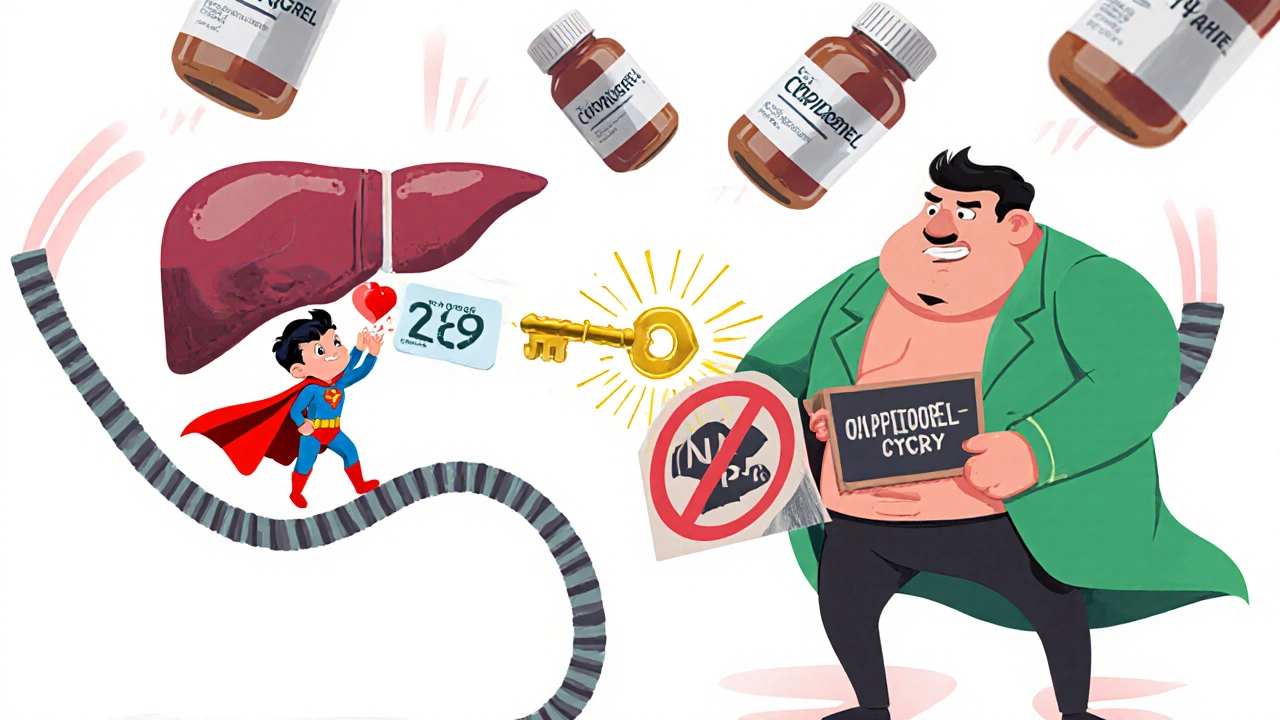
Clopidogrel and proton pump inhibitors like omeprazole can interact, reducing clopidogrel's effectiveness. Learn which PPIs are safe, which to avoid, and what to do if you're on both meds.
Read More