
Medication Risk Checker for Aplastic Anemia
Check Your Medication Risk
This tool helps you identify medications that may increase your risk of medication-induced aplastic anemia. If you're taking any of the drugs listed below, you should be aware of the potential risks and early warning signs.
Important: If you're currently experiencing symptoms like persistent fatigue, unexplained bruising, or frequent infections while taking any high-risk medication, seek immediate medical attention.
Medication Selection
Select medications you're currently taking to assess your risk.
Risk Assessment Results
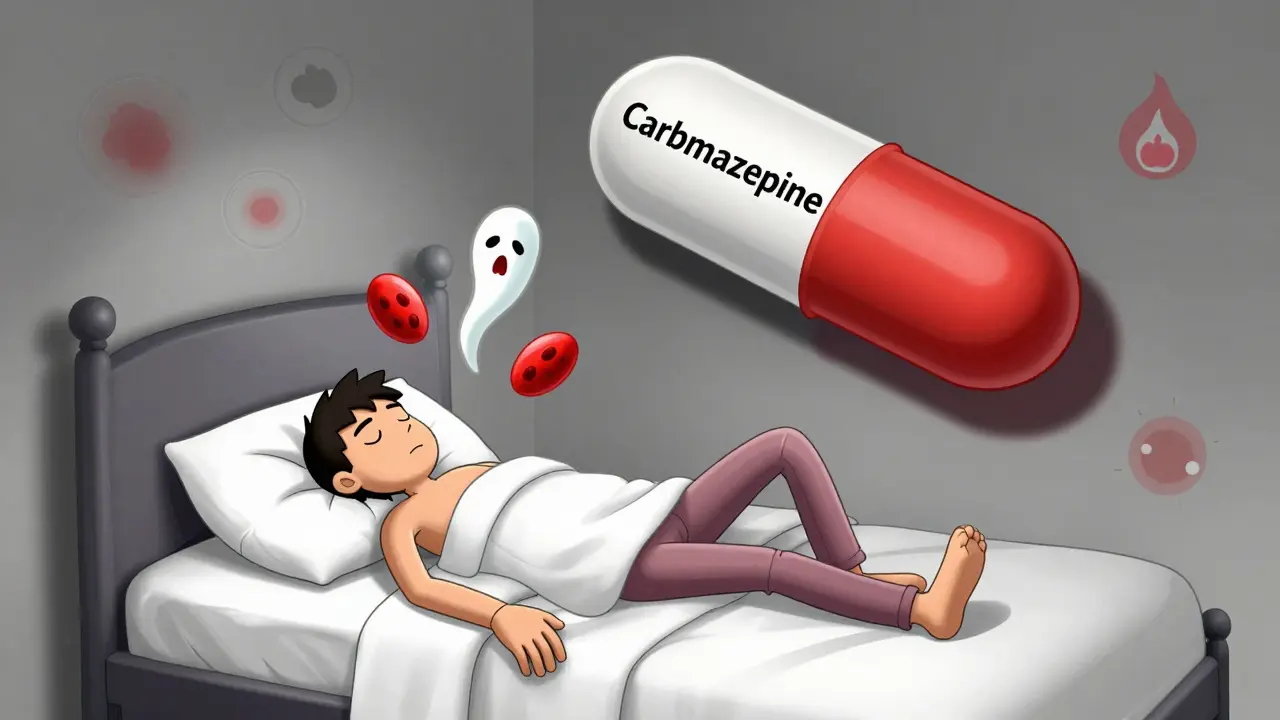
When a medication starts making you feel worse instead of better, it’s easy to brush it off. Maybe you’re just tired. Maybe you caught a bug. But if you’re taking certain drugs and you start feeling off in a way that doesn’t go away, medication-induced aplastic anemia could be silently creeping in. It’s rare, but deadly if missed. And the worst part? Most people don’t know they’re at risk until it’s almost too late.
What Exactly Is Medication-Induced Aplastic Anemia?
Aplastic anemia happens when your bone marrow stops making enough blood cells. Not just one type-all three: red cells (carry oxygen), white cells (fight infection), and platelets (stop bleeding). When this happens because of a drug, it’s called medication-induced aplastic anemia. It’s not just low blood counts. It’s your body’s factory going dark.
Some drugs directly poison the stem cells in your bone marrow. Others trick your immune system into attacking them. Either way, the result is the same: your blood cells drop, fast. According to the National Institute of Diabetes and Digestive and Kidney Diseases (NIDDK), about 5-10% of all acquired cases come from medications. That might sound small, but when it hits, it hits hard. Around 70% of these cases are already severe by the time they’re diagnosed.
It’s not just one drug. It’s a short list of offenders that keep showing up in case reports. Chloramphenicol (an old antibiotic) is the classic example-back in the 1950s, it caused aplastic anemia in 1 out of every 24,000 users. Carbamazepine (used for seizures and nerve pain) raises your risk 15 times. Gold compounds for rheumatoid arthritis, NSAIDs like ibuprofen in high doses, certain antipsychotics, and even some penicillin derivatives have all been linked.
Early Signs You Can’t Afford to Ignore
The biggest danger? These symptoms look like everything else. Fatigue. Fever. Bruising. People write them off as stress, the flu, or just getting older. But when they stack up, they’re screaming for attention.
- Persistent fatigue that doesn’t improve with sleep or rest. Not just "I’m tired today." This is "I can’t get out of bed" fatigue.
- Unexplained bruising-especially multiple bruises appearing without injury. A tiny bump on your arm? That’s normal. A hand full of purple splotches? Not.
- Recurrent low-grade fevers (99-101°F) that come and go. No cough, no sore throat-just a fever that won’t quit.
- Easy bleeding-nosebleeds that won’t stop, bleeding gums when brushing, or heavy periods in women.
- Recurring infections that take way longer to heal. A simple cold lasting three weeks? That’s not normal.
- Unintentional weight loss of 5-10 pounds over a few weeks, with no change in diet or activity.
Here’s the scary part: blood tests often show abnormalities weeks before symptoms appear. A complete blood count (CBC) might reveal hemoglobin below 10 g/dL, platelets under 150,000/μL, or neutrophils under 1,500/μL. If you’re on a high-risk medication and your numbers drop by 30-50% in just 2-4 weeks, that’s a red flag.
Which Medications Are the Biggest Risks?
Not all drugs carry the same danger. Some are known triggers. Others are rare suspects. Here’s what the evidence shows:
| Drug Class | Examples | Risk Level |
|---|---|---|
| Antibiotics | Chloramphenicol, sulfonamides, penicillin derivatives | Very High |
| Anticonvulsants | Carbamazepine, phenytoin | High |
| NSAIDs | Indomethacin, diclofenac (long-term/high-dose) | Moderate |
| Gold compounds | Auranofin, aurothioglucose (for arthritis) | High |
| Antipsychotics | Chlorpromazine, clozapine | Moderate |
| Chemotherapy agents | Busulfan, cyclophosphamide | Predictable suppression, rare true aplasia |
Chloramphenicol is the most notorious. Even though it’s rarely used today, it still shows up in older prescriptions and some topical ointments. Carbamazepine is the most common culprit in modern practice, especially among younger patients. The risk isn’t just about the drug-it’s about how your body reacts. Some people have genetic traits that make them far more vulnerable.
What to Do Immediately If You Suspect It
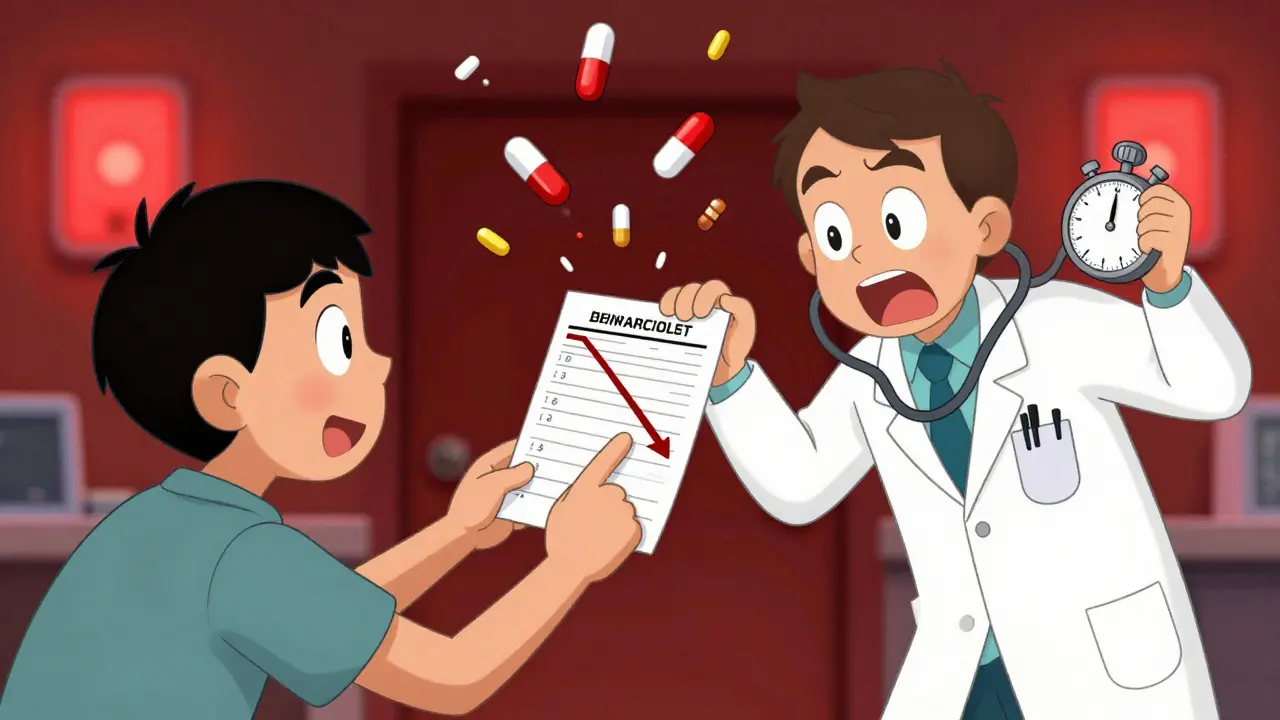
Time is everything. The longer you wait, the worse it gets. According to Dr. Neal Young of the NIH, survival rates drop from under 10% to over 45% if diagnosis is delayed beyond eight weeks.
Here’s what you need to do-right now:
- Stop the suspected medication. Don’t wait for a doctor’s approval. If you’re on chloramphenicol, carbamazepine, or another high-risk drug and you have symptoms, discontinue it immediately. Studies show 85% of mild cases improve within 4 weeks of stopping.
- Get a CBC within 24 hours. Don’t wait for your next appointment. Go to an urgent care or ER. Ask for a complete blood count. If your platelets are below 50,000/μL or your neutrophils are under 1,500/μL, you need a hematologist today.
- Don’t ignore fever. If you have a fever above 100.4°F (38°C), go to the ER immediately. Infection in a low-white-blood-cell patient can kill you in hours.
- Bring your full medication list. Include supplements, OTC drugs, and herbal products. Many patients don’t realize that even a single dose of an NSAID or a herbal remedy can trigger this.
If your platelets are below 10,000/μL or you’re actively bleeding, you’ll need a transfusion. If your neutrophils are under 500/μL, you’ll likely be hospitalized for isolation and antibiotics. Delaying any of these steps can cost you your life.
Why Most Cases Are Missed-and How to Prevent It
Here’s the ugly truth: 72% of patients with medication-induced aplastic anemia were initially told they had a virus or stress. Primary care doctors aren’t to blame-it’s a blind spot. A Medscape survey in 2022 found that only 47% of family practitioners could name the top five drugs linked to this condition.
But you can protect yourself:
- If you’re starting carbamazepine, chloramphenicol, or gold therapy, ask for a baseline CBC before you begin.
- Get tested weekly for the first month. Many clinics don’t offer this-but you can request it.
- Keep a log: track your energy, bruising, fevers, and infections. Even a simple notebook helps.
- Use apps like the AAMDS Foundation’s mobile tracker, which alerts you when your symptoms match known patterns. Early users saw a 40% drop in diagnostic delays.
Electronic health records can help too. A 2023 study showed that alerts built into hospital systems reduced delays by over 11 days. If your doctor’s office doesn’t have one, ask them to add it.
What Happens After Diagnosis?
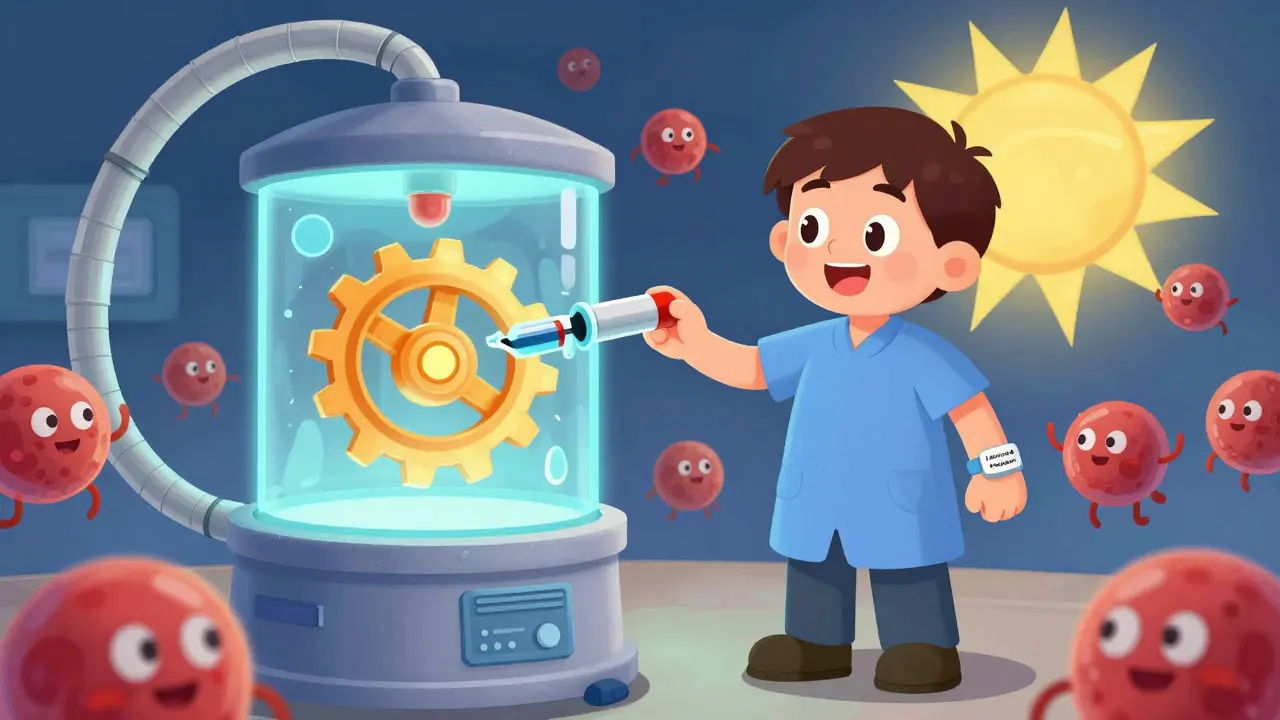
Once confirmed by bone marrow biopsy (the only definitive test), treatment depends on severity. Mild cases often recover on their own after stopping the drug. But severe cases? They need more.
Modern treatment uses immunosuppressive therapy-drugs like horse anti-thymocyte globulin and cyclosporine. The European Society for Blood and Marrow Transplantation now recommends this for medication-induced cases, with 78% response rates in 2023 data. Bone marrow transplants are still the gold standard for young patients with a matched donor.
And here’s the good news: with early treatment, 5-year survival now exceeds 85%. That’s almost as good as idiopathic cases. But only if you act fast.
What You Must Never Do
- Never restart the drug that caused it. The American Society of Clinical Oncology says there’s a 90% chance of a more severe relapse.
- Never ignore a fever. It’s not "just a cold." It’s a medical emergency.
- Never wait for symptoms to get worse. By then, it’s too late.
And remember: if you’ve had this once, you’re at higher risk for future reactions. Tell every doctor, every pharmacist, every ER nurse. Write it in your medical alert bracelet. This isn’t just about one drug-it’s about your body’s future safety.
Can over-the-counter drugs cause aplastic anemia?
Yes. While rare, long-term or high-dose use of NSAIDs like ibuprofen, naproxen, or diclofenac has been linked to cases. It’s not common, but the risk exists, especially in people with underlying genetic vulnerabilities. If you’ve been taking these daily for months and notice unexplained fatigue or bruising, get a CBC.
How long does it take for symptoms to appear after taking the drug?
Symptoms usually show up 1 to 3 months after starting the medication, but can appear as early as 1-2 weeks. In some cases, bone marrow damage begins before you even feel sick. That’s why weekly blood tests during the first month on high-risk drugs are so important.
Is aplastic anemia from medications reversible?
In mild cases, yes-if caught early and the drug is stopped immediately. The bone marrow can recover over weeks to months. But if it progresses to severe aplastic anemia, recovery requires medical intervention like immunosuppressive therapy or a transplant. Delaying treatment makes reversal much less likely.
Can you get aplastic anemia from antibiotics like penicillin?
Yes, though it’s rare. Penicillin derivatives and sulfonamide antibiotics have been documented as triggers. The mechanism is usually immune-mediated: your body mistakenly attacks its own bone marrow cells after reacting to the drug. It’s not an allergic reaction like a rash-it’s a silent, internal attack.
Do I need a bone marrow biopsy to confirm it?
Yes. Blood tests can suggest aplastic anemia, but only a bone marrow biopsy can confirm it. It shows whether the marrow is hypocellular (less than 25% cellularity). This is the gold standard. If your blood counts are low and you’re on a high-risk drug, ask for a referral to a hematologist for biopsy within 72 hours.
Next Steps: Protect Yourself and Others
If you’re currently taking any of the high-risk medications listed, talk to your doctor about monitoring. Ask for a baseline CBC and schedule weekly checks for the first month. Keep a symptom journal. Tell your pharmacist. Share this info with family members who might be on similar drugs.
If you’ve had this condition before, make sure your medical records clearly note it. Carry a card in your wallet. Use apps that track your health. The more awareness you have, the more you can prevent the next case-from happening to you, or someone you love.


Post A Comment