
When your doctor prescribes clopidogrel, a prescription antiplatelet medication used to stop blood clots in people at risk for heart attack or stroke. Also known as Plavix, it’s one of the most common drugs given after stents, heart surgery, or a mini-stroke. It doesn’t thin your blood like warfarin—it stops platelets from sticking together. That’s the difference: it’s not about reducing clotting factors, it’s about blocking the signal that tells platelets to clump up. If you’ve had a heart attack or have blocked arteries, clopidogrel helps keep your blood flowing smoothly.
It’s often used with aspirin, a common over-the-counter pain reliever that also prevents clotting by affecting platelets, especially after a stent is placed. This combo, called dual antiplatelet therapy, cuts the risk of another clot by nearly half. But it’s not for everyone. People with liver problems, bleeding disorders, or those who don’t metabolize clopidogrel well (a genetic issue) might need alternatives like ticagrelor, a newer antiplatelet drug that works faster and doesn’t rely on liver conversion. Some patients get stuck with clopidogrel because it’s cheaper, but newer generics and alternatives are now widely available and sometimes more effective.
Many people take clopidogrel for years. It’s not a quick fix—it’s a long-term shield. But it’s not without risks. Bruising easily? That’s normal. Bleeding in the gut? That’s a red flag. And if you need surgery, your doctor will tell you when to stop it—usually 5 to 7 days before. Don’t quit it on your own. Stopping suddenly can trigger a clot, even if you feel fine.
The posts below cover real issues people face with clopidogrel and similar drugs. You’ll find comparisons with other antiplatelet meds, how generic versions stack up, what the FDA says about safety, and how combination therapy affects outcomes. There’s also info on how heart disease, stents, and stroke prevention tie into daily use. Whether you’re taking it now, considering it, or just trying to understand why your doctor chose it, you’ll find practical, no-fluff answers here.
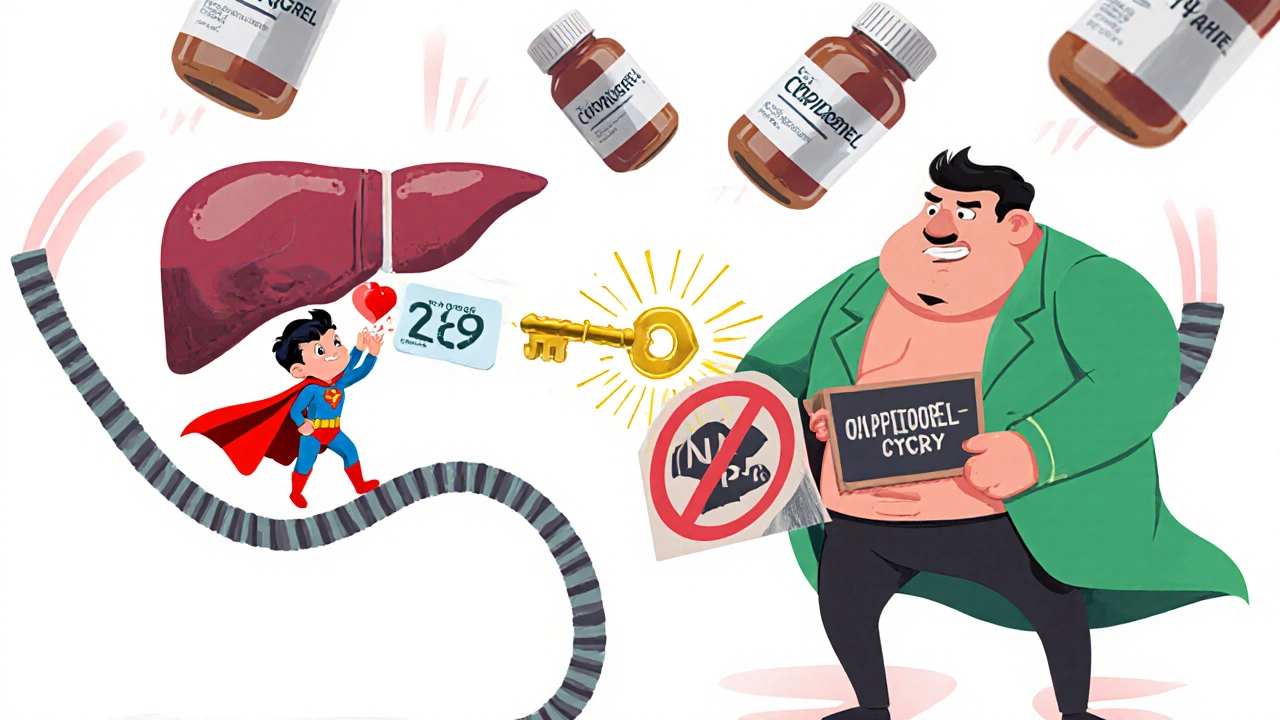
Clopidogrel and proton pump inhibitors like omeprazole can interact, reducing clopidogrel's effectiveness. Learn which PPIs are safe, which to avoid, and what to do if you're on both meds.
Read More