
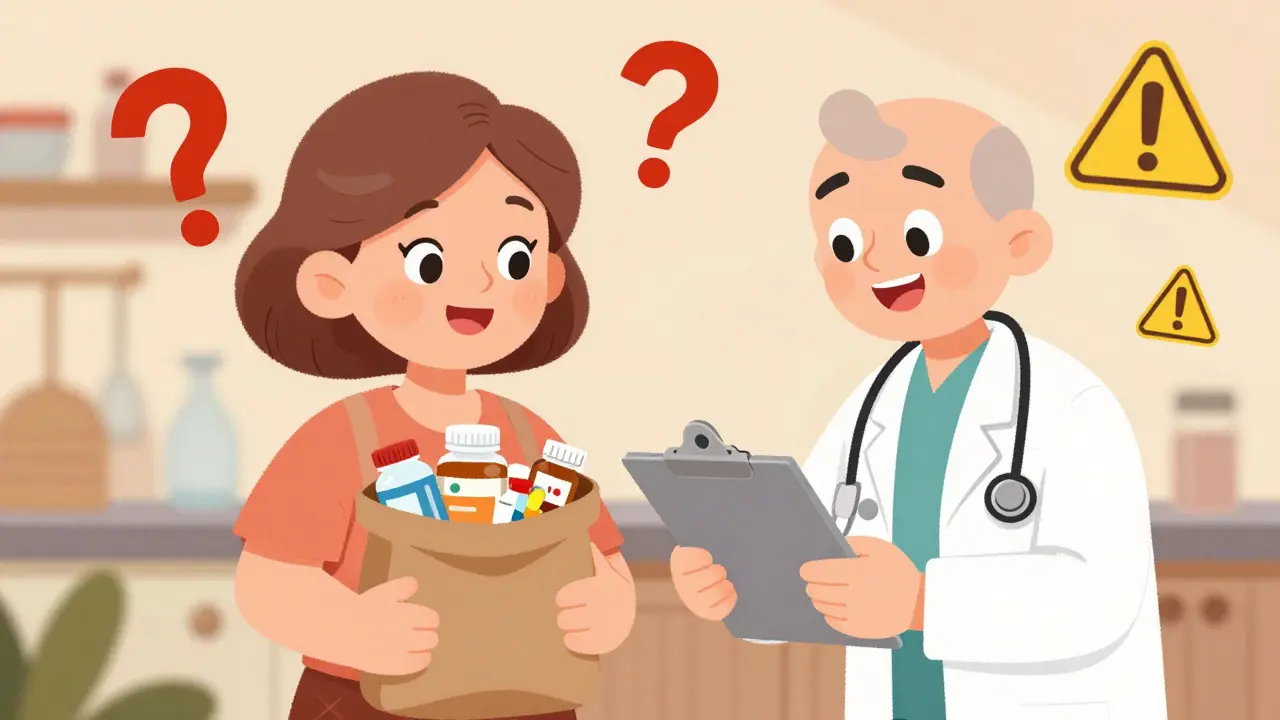
When you’re past menopause, your body doesn’t just stop producing estrogen-it starts processing medications differently too. That change can turn a safe pill into a risky one, especially if you’re already taking four or five other drugs. For many women, this is when medication errors become more common, side effects get worse, and hospital visits start to pile up. The truth? Most doctors don’t get enough training on how menopause changes drug metabolism. And yet, post-menopausal women make up over half of everyone over 65 in the U.S., and they’re the group most likely to be hospitalized because of a bad reaction to medicine.
Why Your Body Handles Medicines Differently After Menopause
Your liver and kidneys don’t work the same after menopause. Estrogen helps your liver break down drugs. When estrogen drops, your liver slows down. That means medications like statins, blood pressure pills, and even painkillers stick around longer in your system. A dose that was fine at 50 might become too strong at 65. This isn’t theoretical-it’s why 35% of hospitalizations in women over 65 are linked to adverse drug events, according to the Agency for Healthcare Research and Quality.
And it’s not just about dose. The way your body absorbs medicine changes too. Lower stomach acid affects how well you absorb things like calcium, iron, and certain antibiotics. Fat distribution shifts, so drugs that dissolve in fat (like some antidepressants) can build up in your body. Even something as simple as a pill organizer might not be enough if the timing or interaction isn’t right.
Hormone Therapy: The Biggest Safety Debate
For many women, hot flashes and night sweats are unbearable. Hormone therapy (HT) can help-but it’s not one-size-fits-all. The Endocrine Society and U.S. Preventive Services Task Force agree: if you’re under 60 or within 10 years of menopause, the benefits of estrogen therapy often outweigh the risks. But if you’re older or have a history of blood clots, stroke, or breast cancer, it’s a different story.
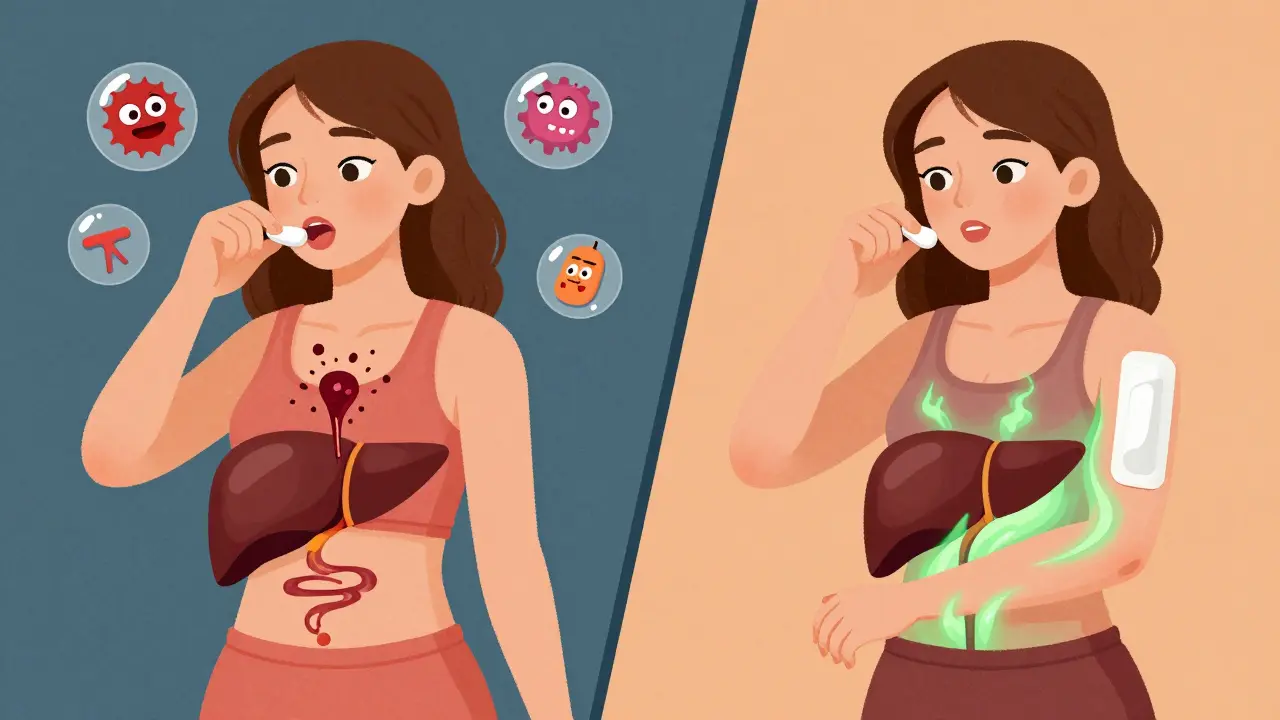
Oral estrogen increases your risk of blood clots by 30-50% compared to transdermal (patch or gel) estrogen. Why? Because pills go straight through your liver first, triggering clotting factors. Patches bypass that. For women with a history of deep vein thrombosis or pulmonary embolism, transdermal estrogen is the only safe option. And if you’ve had a hysterectomy, estrogen alone is safer than estrogen plus progestin-combined therapy increases breast cancer risk by 24% after five years, according to the Women’s Health Initiative.
But here’s the catch: many women stop HT because they’re scared of cancer. A Reddit survey of 1,245 women found 78% avoided hormone therapy mainly out of fear-even when their doctor said their personal risk was low. That’s why it’s critical to talk through your actual numbers. Tools like the IBIS Breast Cancer Risk Evaluation Tool can give you a clearer picture than general warnings.
Polypharmacy: When More Pills Mean More Danger
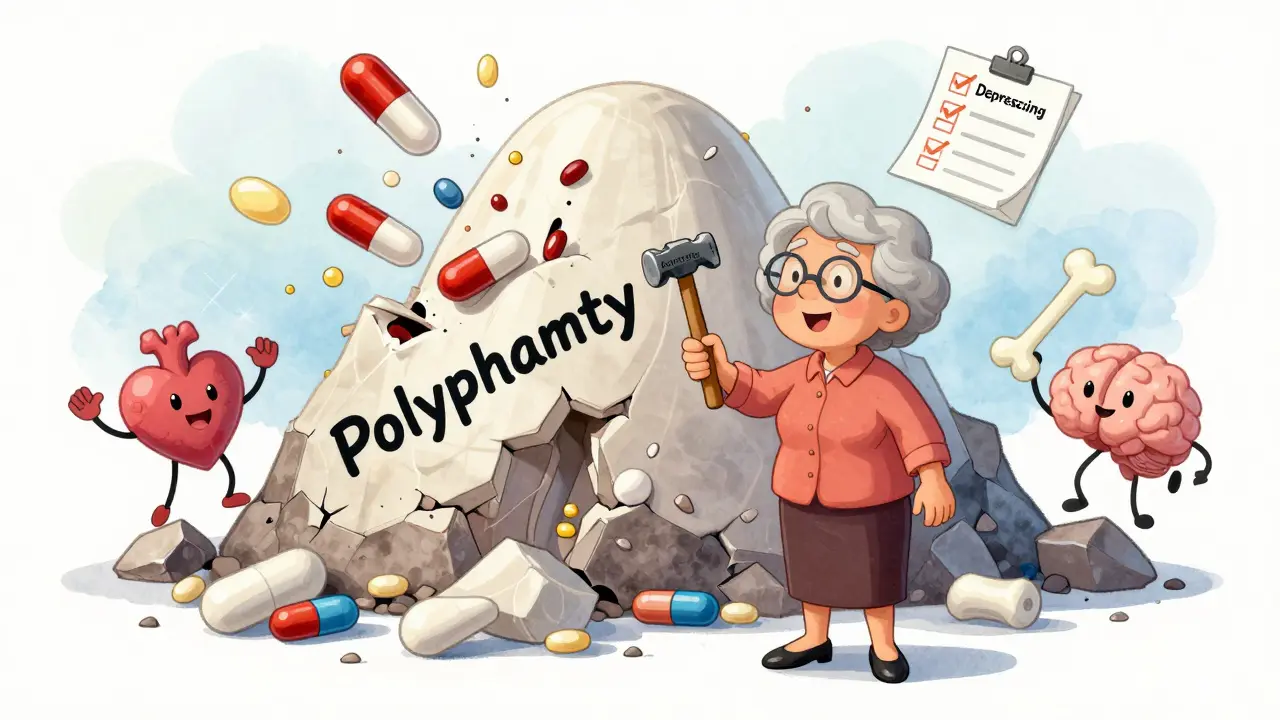
It’s common for post-menopausal women to take five or more prescriptions. Some are for high blood pressure, others for arthritis, cholesterol, diabetes, or osteoporosis. But each new pill adds another chance for a bad interaction. The World Health Organization calls this polypharmacy-a global problem. And it’s especially dangerous here because older women often see multiple doctors, each prescribing without knowing what the others have ordered.
One real case from the WHO’s own report: a 72-year-old woman was on diclofenac (an NSAID), simvastatin, enalapril, and atenolol. Her doctor told her to stop the NSAID because it was raising her blood pressure and risking stomach bleeding. She didn’t. Within a week, she was hospitalized with a bleeding ulcer. Her hemoglobin dropped from 12.5 to 8.1 g/dL. That’s a 35% drop in just seven days. All because a simple instruction wasn’t followed.
The Beers Criteria-a list of medications to avoid in older adults-flags 30 high-risk drugs. Among them: long-acting benzodiazepines like diazepam. These increase hip fracture risk by 50% in women over 65. Yet they’re still prescribed for “sleep” or “anxiety.” There are safer alternatives: low-dose trazodone, cognitive behavioral therapy, or even melatonin.
Non-Hormonal Options for Hot Flashes
If you’re not ready for hormone therapy, or your doctor says it’s too risky, there are other options. SSRIs like paroxetine and escitalopram reduce hot flashes by 50-60%. But they come with a cost: 30-40% of women report sexual side effects-lower desire, trouble with arousal, or delayed orgasm. That’s a trade-off many aren’t told about upfront.
Another option is gabapentin, originally for seizures, now used off-label for night sweats. It’s not as effective as estrogen, but it doesn’t raise cancer or clotting risks. And for women with migraines with aura, it’s often the only safe choice-because estrogen, even in patches, can trigger strokes in this group.
Then there’s tibolone, used in Europe but not approved in the U.S. It cuts fracture risk by nearly half, but raises stroke risk by 58%. That’s why it’s not on the table here. The takeaway? Every alternative has its own risk profile. You need to know yours.
What You Can Do Right Now
You don’t have to wait for your next appointment to protect yourself. Start with a brown bag review. Empty every pill bottle, supplement, and over-the-counter medicine into a bag. Bring it to your doctor. Don’t leave anything out-not even the ginseng or magnesium you think is “harmless.”
Use a pill organizer. Studies show they reduce errors by 81%. But make sure it’s labeled clearly. One common mistake? Taking a pill twice because the compartment looks empty. Or missing a dose because the schedule is too confusing.
Ask your doctor: “Is this still necessary?” Deprescribing-taking meds off your list-is just as important as adding them. The WHO found that structured deprescribing reduces medication burden by 1.4 drugs per person and cuts adverse events by 33%.
And if you’re on hormone therapy, ask: “Is this oral or transdermal?” If you have any history of clotting, stroke, or breast cancer, insist on transdermal. Don’t accept “it’s what’s covered by insurance” as an answer.
When to Get a Second Opinion
If you’ve been told you can’t take estrogen because of breast cancer history, but you’re struggling with severe symptoms, ask for a referral to a menopause specialist. Not all oncologists know the latest on low-dose, localized estrogen or tissue-selective estrogen complexes (TSECs), like conjugated estrogens/bazedoxifene. These newer options reduce endometrial thickening risk by 70% compared to traditional HT, making them viable for some women with prior breast cancer.
Also, if your doctor prescribes a new drug without checking your full list, or dismisses your concerns about side effects, it’s time to find someone else. You deserve care that sees you as a whole person-not just a list of diagnoses.
What’s Changing in 2025
The FDA now requires menopause-specific warnings on 87% of drug labels that affect older women. That means if you’re on a statin, antidepressant, or blood thinner, the packaging should now say something like “Use with caution in post-menopausal women due to altered metabolism.”
Researchers are also testing AI tools that scan your medication list and flag dangerous combinations in real time. In pilot studies, these tools reduced errors by 45%. They’re not mainstream yet, but ask your pharmacist if they use any digital safety checks.
And the NIH is funding $25 million in new research into non-hormonal treatments through the MsFLASH network. That means better options are coming-faster than most people realize.
For now, the best thing you can do is stay informed, ask questions, and don’t accept vague answers. Your body changed. Your meds should too.
Can I still take hormone therapy after age 60?
It depends. The U.S. Preventive Services Task Force recommends against starting hormone therapy after 60 for chronic disease prevention because risks like stroke and breast cancer rise with age. But if you’re under 60 or within 10 years of menopause and still having severe hot flashes, hormone therapy can still be safe and effective-especially if you use transdermal estrogen. Always discuss your personal risk factors, like blood clots, heart disease, or family history of breast cancer, with a specialist.
Why are patches safer than pills for estrogen?
Oral estrogen passes through the liver first, which triggers the production of clotting proteins. This raises the risk of blood clots, stroke, and pulmonary embolism. Transdermal estrogen (patches or gels) enters the bloodstream directly through the skin, skipping the liver. Studies show this cuts venous thromboembolism risk by 2.3 times compared to pills. For women with any history of clotting disorders, migraines with aura, or high triglycerides, patches are the only safe choice.
What medications should I avoid after menopause?
The Beers Criteria lists 30 drugs to avoid in older adults. Key ones include long-acting benzodiazepines (like diazepam), which increase hip fracture risk by 50%; NSAIDs like diclofenac, which raise stomach bleeding and kidney risks; and certain anticholinergics (like diphenhydramine), which worsen memory and increase dementia risk. Also avoid stimulant laxatives long-term-they can damage your colon. Always ask: “Is this still needed?” and “Is there a safer alternative?”
How do I know if I’m taking too many medications?
If you’re taking five or more prescription drugs, you’re in the polypharmacy range. Red flags include: frequent dizziness, confusion, falls, stomach upset, or feeling worse after starting a new pill. Also, if you’re seeing multiple doctors who don’t talk to each other, or you’re using more than one pill organizer, it’s time for a full medication review. The START/STOPP criteria help doctors identify both unnecessary and missing medications in older adults.
Can I stop my medications on my own if I feel better?
No. Stopping blood pressure meds, antidepressants, or blood thinners suddenly can be dangerous-even if you feel fine. Stopping a beta-blocker like atenolol can cause rebound high blood pressure or heart rhythm problems. Stopping SSRIs can trigger withdrawal symptoms like brain zaps, nausea, or anxiety. Always work with your doctor to taper off safely. Most medications need 4-8 weeks to reduce gradually. For benzodiazepines, it can take up to 12 weeks.


Post A Comment