
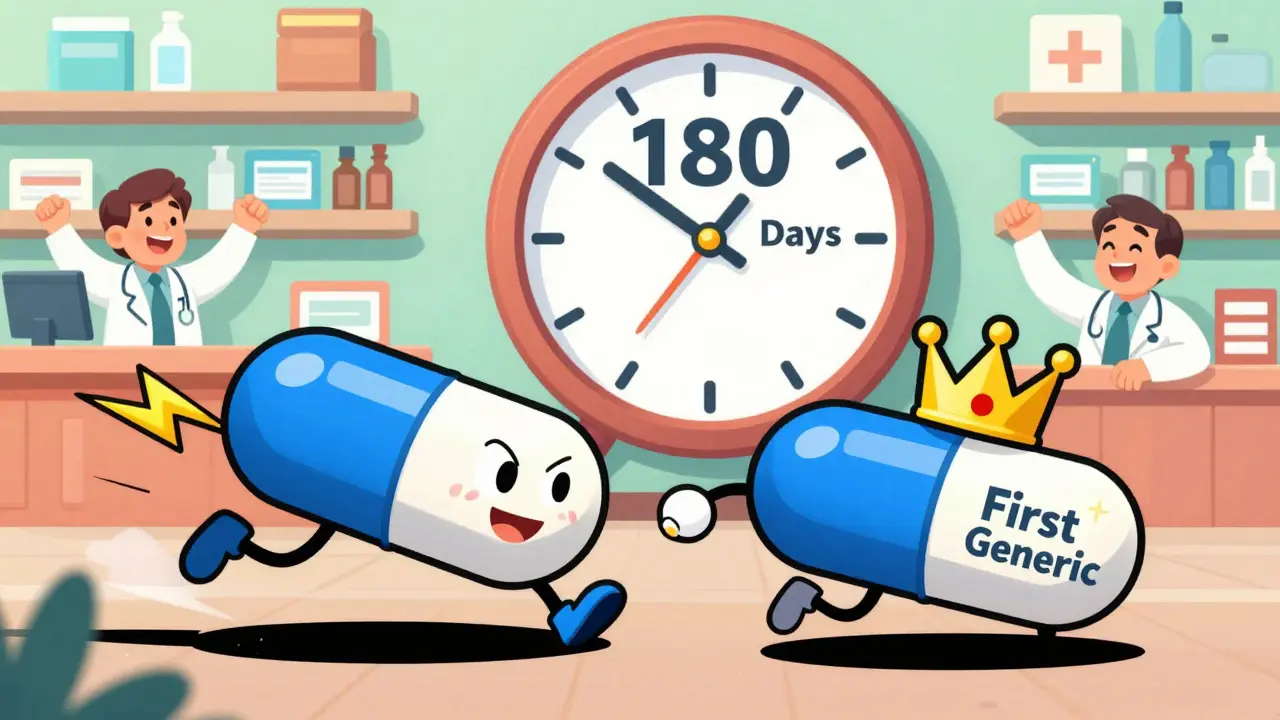
When a brand-name drug loses its patent, it’s not just another generic entering the market-it’s a race. And in this race, the winner doesn’t just get a slice of the pie. They get the whole damn thing-for years. The first generic manufacturer to launch after a patent expires doesn’t just beat the competition. They lock in market share so tightly that even if five other companies come in months later, they’re still playing catch-up. This isn’t luck. It’s the first-mover advantage, and it’s built into U.S. drug law, shaped by decades of market behavior, and reinforced by how pharmacies, doctors, and patients actually behave.
How the System Was Built to Reward the First
The foundation of this advantage isn’t magic. It’s the Hatch-Waxman Act of 1984. Before this law, brand-name drug companies could stretch their monopolies indefinitely. Generic makers couldn’t even start testing their versions until the patent expired-meaning patients paid high prices for years longer than needed. Hatch-Waxman changed that. It let generic companies file for approval before the patent expired, as long as they challenged the patent’s validity or said it wouldn’t be infringed. In return, the first company to successfully challenge a patent and get FDA approval gets 180 days of exclusive rights to sell their version. No one else can enter the market during that time. That 180-day window isn’t just a head start-it’s a financial rocket boost. During those six months, the first generic can charge prices close to the brand-name drug’s original cost. Why? Because there’s no competition. Pharmacies stock it. Doctors prescribe it. Patients get used to it. And once that happens, switching becomes hard-even after the exclusivity ends.Why the Advantage Lasts Long After the 180 Days
Most people think the advantage fades once other generics arrive. But data shows it doesn’t. A first-mover often keeps 70-80% of the generic market during their exclusivity period. Even after the second generic enters, they still hold onto 50-60%. After five or more competitors jump in, the first mover still controls 30-40% of sales. Meanwhile, the second entrant might grab only 10-15%. Why? Because of inertia. Pharmacies don’t stock every version of a drug. They pick one-usually the first one they got, the one they know works, the one their system already has in place. Switching to a new generic means retraining staff, updating inventory systems, and dealing with potential confusion from patients who’ve been on the same pill for months. It’s easier to just keep what’s already working. Doctors do the same. Once they’ve prescribed a generic version, they rarely switch unless there’s a price difference so big it forces them to. And patients? If they’re on a long-term medication-say, for high blood pressure or cholesterol-they don’t care which generic they get. They just want the same pill, same size, same color. If the first generic matches the brand’s look, they’ll stick with it.Who Wins the Most-and Who Gets Left Behind
Not all first movers are created equal. Big pharmaceutical companies with deep pockets, established distribution networks, and regulatory experience win more often. McKinsey found that large generic manufacturers capture more than 10 percentage points above fair market share after launching first. Smaller companies? They often end up with less than average, even if they’re first. The type of drug matters too. Injectable drugs and inhalers-complex generics-have even stronger first-mover effects. Why? Because they’re harder to copy. Fewer companies can make them. That means fewer competitors. First movers in these categories can hold 15-20 percentage points above fair share. For simple pills like metformin or lisinopril, the advantage is smaller-around 6-8 points-but still meaningful. Location matters. Domestic manufacturers in the U.S. have a 22% higher market saturation rate than overseas ones. Why? Because they’re faster to respond to FDA requests, easier to audit, and have better supply chain control. When the FDA asks for a change in packaging or manufacturing details, a U.S.-based company can fix it in weeks. A company overseas might take months.
The Hidden Trap: Authorized Generics
Here’s the brutal twist: the brand-name company can play dirty. They can launch their own version of the generic-called an Authorized Generic (AG)-during the first mover’s 180-day exclusivity period. Suddenly, instead of one competitor, the first mover faces two: the original brand (now sold as a cheap generic) and their own product. The FTC found this slashes first-filer revenue by 4-8% at retail and 7-14% at wholesale. It’s a legal loophole. The brand company doesn’t violate the law-they just use their own muscle to squeeze out the challenger. Many top generic manufacturers now build contingency plans: they secure multiple API suppliers, lock in long-term contracts, and negotiate prices 12-15% lower than what later entrants pay. That way, even if an AG hits the market, they can still undercut it.Timing Is Everything
It’s not enough to be first. You need to be first by enough of a margin. If the second generic enters within a year, the advantage shrinks to almost nothing. But if there’s a three-year gap between first and second? That’s when the first mover becomes the default choice. Prescribers forget there were others. Pharmacies stop even considering alternatives. Patients don’t know any other version exists. That’s why the race to file a patent challenge isn’t just about speed-it’s about precision. Companies spend 18 to 36 months preparing: testing formulations, building manufacturing lines, navigating regulatory hurdles, and waiting for FDA approval. The ones who get it right don’t just win the race. They set the pace for everyone else.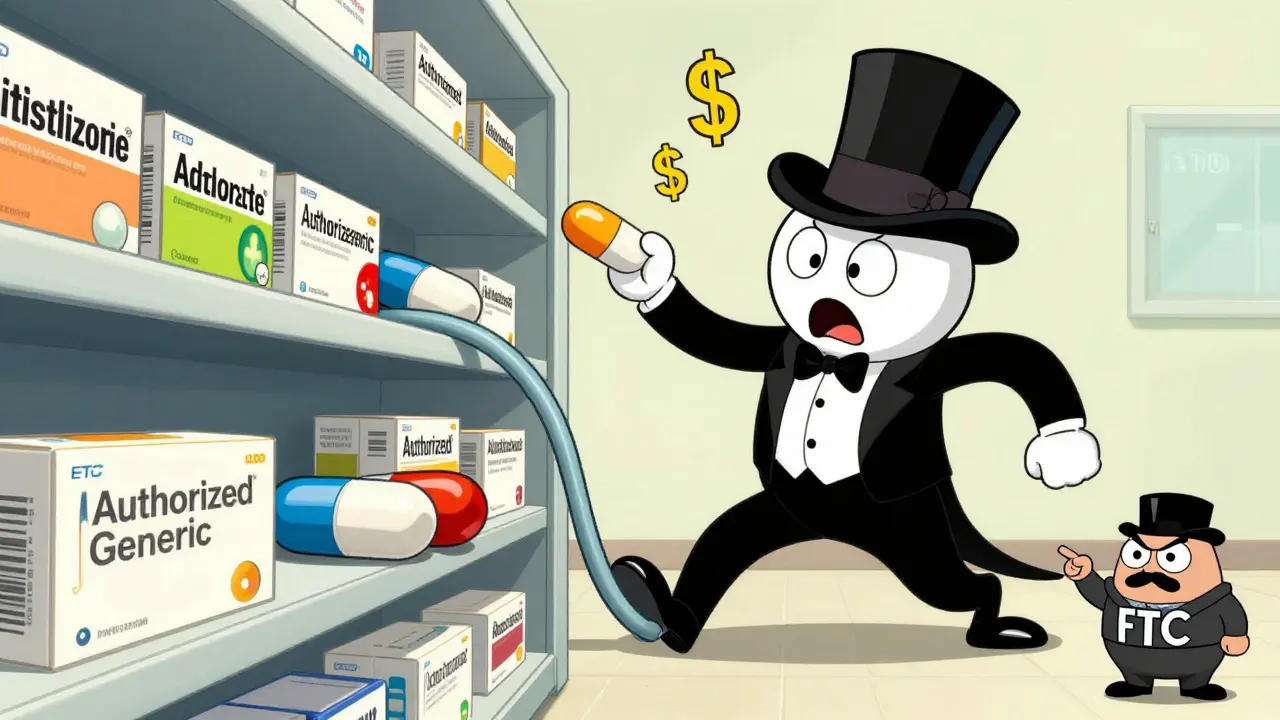
The Future: Will This Advantage Last?
Some say the first-mover advantage is fading. The FDA is making it easier to approve complex generics. More companies are entering the space. Pay-for-delay deals-where brand companies pay generics to delay launch-are under more scrutiny. The FTC’s crackdown has already pushed first launches forward by 6-9 months on average. But here’s the truth: even if the legal landscape changes, the human behavior won’t. Doctors won’t suddenly start switching prescriptions just because a new generic is cheaper. Pharmacies won’t reprogram their systems for every new entrant. Patients won’t care if the pill looks different unless it causes side effects. The first-mover advantage isn’t about patents. It’s about habits. And habits don’t change quickly.What This Means for Generic Manufacturers
If you’re a generic drug maker, here’s what you need to do:- Focus on drugs with high volume and long-term use-like statins, diabetes meds, or blood pressure drugs. These are where patient loyalty is strongest.
- Invest in therapeutic expertise. Companies without experience in a drug’s class capture only half the advantage of those who’ve been there before.
- Build relationships with multiple API suppliers. Don’t rely on one source. Cost savings of 12-15% can make the difference between profit and loss.
- Plan for Authorized Generics. Assume the brand will launch their own version. Have a pricing and supply strategy ready.
- Don’t rush. A one-year lead isn’t enough. Aim for a three-year gap between your launch and the next competitor’s.
Final Reality Check
Generic drugs make up over 90% of prescriptions in the U.S. But they account for only 23% of total drug spending. That’s because the first generic sets the price floor. And whoever gets there first doesn’t just lower prices-they control the market. This isn’t about being first to market. It’s about being the first to be trusted. And once you’re trusted, you don’t need to compete on price. You just need to be there.What is the Hatch-Waxman Act and how does it create first-mover advantage?
The Hatch-Waxman Act of 1984 created a legal pathway for generic drug manufacturers to challenge brand-name patents before they expire. The first company to successfully challenge a patent and gain FDA approval gets 180 days of market exclusivity-no other generic can enter during that time. This window allows the first mover to capture the majority of the market before competition arrives, creating a long-term advantage through established prescribing and stocking habits.
Why do pharmacies prefer to stock only one generic version of a drug?
Pharmacies stock only one version per drug to reduce inventory costs, simplify ordering, and avoid confusion among staff and patients. Once a generic is stocked, switching to another requires retraining, updating systems, and managing potential complaints from patients who are used to the original pill’s size, color, or shape. This creates a strong barrier for later entrants, even if their product is cheaper.
What is an Authorized Generic and how does it hurt the first generic manufacturer?
An Authorized Generic (AG) is a version of the brand-name drug sold as a generic by the original manufacturer during the first generic’s 180-day exclusivity period. This turns what should be a two-player market (brand vs. first generic) into a three-player market (brand, first generic, AG). The AG is often priced lower than the first generic, cutting into its revenue by 4-8% at retail and 7-14% at wholesale, according to the FTC.
Does the first-mover advantage work the same for all types of drugs?
No. The advantage is strongest for complex generics like injectables and inhalers, where fewer companies can manufacture the product. First movers in these categories can hold 15-20 percentage points above fair market share. For simple oral pills, the advantage is smaller-around 6-8 points-but still significant due to patient and prescriber loyalty. Drugs used for chronic conditions (like diabetes or hypertension) show the strongest advantage because patients stay on them for years.
How long does the first-mover advantage typically last?
The 180-day exclusivity period is just the start. The real advantage lasts years. First movers often retain 50-60% of the market after the second generic enters, and still hold 30-40% after five or more competitors join. The key is timing: if the second generic enters more than a year later, the first mover’s lead becomes nearly unshakeable. If the gap is less than a year, the advantage weakens significantly.
Can small generic companies compete effectively for first-mover advantage?
It’s harder. Small companies often lack the resources to navigate complex regulatory processes, secure multiple API suppliers, or respond quickly to FDA requests. McKinsey found that large manufacturers gain over 10 percentage points more market share than smaller ones when launching first. Small companies can compete-but only if they focus on niche drugs, build deep expertise in a specific therapeutic area, and partner with experienced manufacturers or distributors.


Post A Comment