
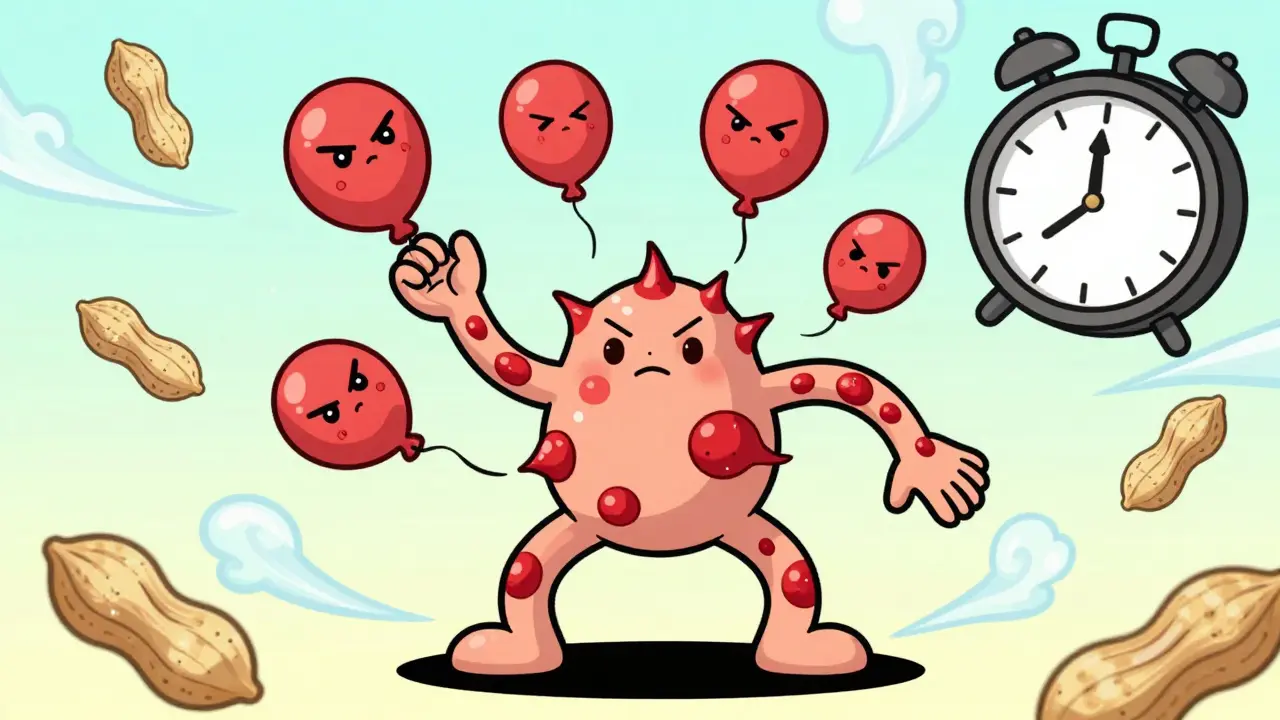
Urticaria isn’t just a rash. It’s a sudden, burning, itching storm on your skin that can appear out of nowhere-sometimes after eating peanuts, walking in the cold, or even just stress. These raised, red welts-called wheals-can move around your body, vanish in hours, and come back the next day. For some, it’s a one-time annoyance. For others, it’s a daily battle that ruins sleep, work, and confidence. If you’ve ever woken up covered in angry bumps and felt like your skin is betraying you, you’re not alone. About 1 in 5 people will get hives at least once in their life. And for 1 in 100, it never really goes away.
What’s Actually Happening Under Your Skin?
Your skin isn’t infected. You didn’t catch anything. The problem starts deep inside your immune system. Mast cells-tiny sentinels scattered in your skin and other tissues-mistake something harmless for a threat. It could be a food, a medication, pressure from tight clothes, heat, or even your own body’s proteins. When triggered, these cells explode like mini-bombs, spilling out histamine and other chemicals.
That histamine is what turns your skin into a battlefield. It makes tiny blood vessels leak fluid into the surrounding tissue. That’s the swelling. It also fires off itch signals straight to your nerves. The result? Raised, red, burning welts that look like giant mosquito bites. They can be as small as a pinhead or as big as your hand. And they shift. One spot clears up, another appears. That’s why hives seem to move. They’re not spreading-they’re reappearing elsewhere.
Acute urticaria lasts less than six weeks. Chronic urticaria? That’s when it keeps coming back for more than six weeks, sometimes for years. About 70 to 80% of chronic cases have no obvious trigger. Doctors call this chronic spontaneous urticaria. It’s not allergies in the traditional sense. It’s your immune system firing on empty.
What Triggers Hives? Not Always What You Think
People assume hives are always from food allergies-shellfish, nuts, eggs. And yes, those can cause them. But in chronic cases, food triggers are rare. More common culprits include:
- Physical stimuli: Pressure from belts or backpacks, cold air, sweat, sunlight, or even scratching your skin (called dermatographism).
- Medications: NSAIDs like ibuprofen or aspirin, antibiotics like penicillin, and even some blood pressure drugs.
- Infections: Viral infections like colds or hepatitis can set off hives, especially in kids.
- Stress: Emotional stress doesn’t cause hives directly, but it can make them worse by raising histamine levels.
- Autoimmune reactions: In up to 40% of chronic cases, your body makes antibodies that attack your own mast cells.
Many people spend months trying to eliminate foods from their diet, only to find no change. That’s because chronic spontaneous urticaria isn’t about what you eat-it’s about what your immune system is doing. Keeping a symptom diary helps. Note the time, location of hives, what you ate, stress levels, and even weather. Patterns emerge over weeks, not days.
Antihistamines: The First Line, But Not a Cure
Antihistamines are the go-to treatment for a reason: they block histamine from binding to receptors on your skin and nerves. That stops the itching and reduces swelling. But they don’t fix the root cause. They just quiet the noise.
There are two types:
- First-generation: Diphenhydramine (Benadryl), hydroxyzine. These work fast but make 50-70% of people drowsy. Good for nighttime use if itching keeps you awake.
- Second-generation: Cetirizine (Zyrtec), loratadine (Claritin), fexofenadine (Allegra). Non-sedating for most people. These are the daily go-tos.
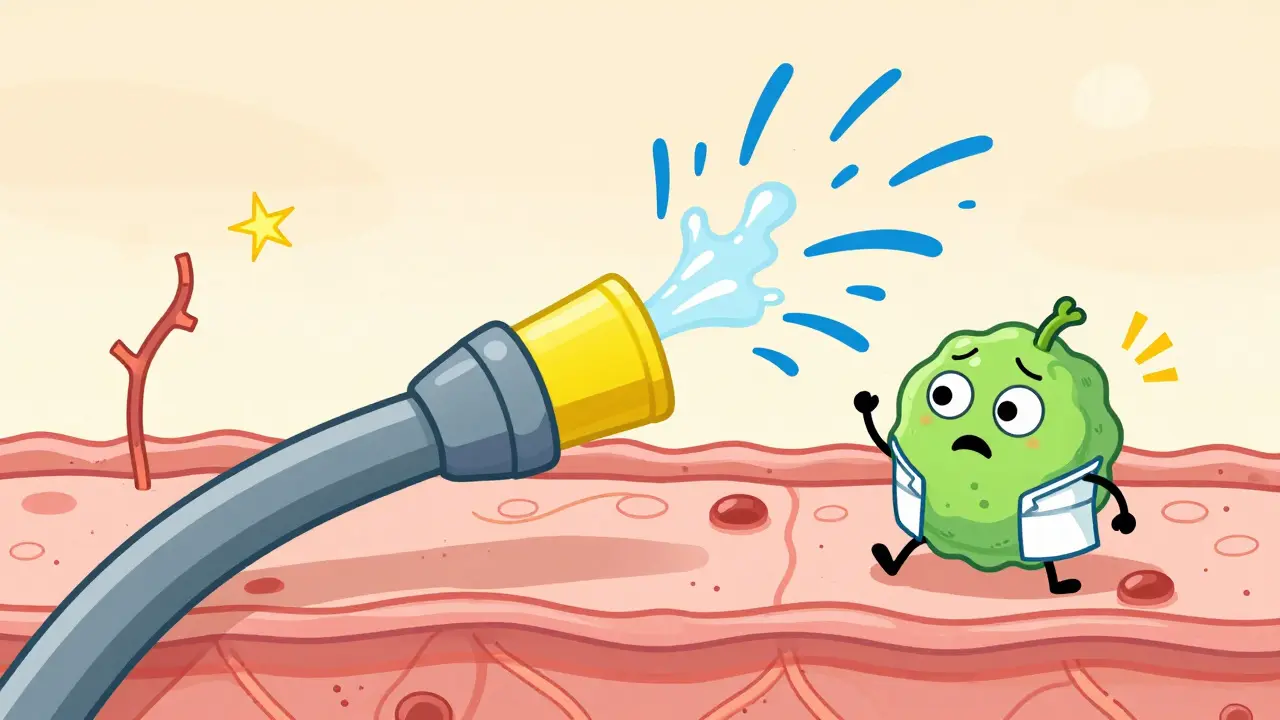
Standard doses? Usually 10mg of cetirizine or fexofenadine once a day. But here’s the key point most people miss: if your hives don’t improve after a week, you need more-not different. The 2023 international guidelines say it’s safe and effective to double, triple, or even quadruple the dose of second-generation antihistamines. Many patients need 20-40mg of cetirizine daily to get control. That’s not off-label-it’s evidence-based.
Real-world data shows about half of chronic hives patients respond to high-dose antihistamines alone. For the rest, it’s time to think bigger.
When Antihistamines Aren’t Enough
If you’re on the max dose of antihistamines for 4 weeks and still breaking out, you’re not failing. Your condition just needs a stronger tool.
Omalizumab (Xolair) is the first biologic approved for chronic hives. It’s an injection given every 4 weeks. It works by mopping up IgE antibodies-those are the ones that mistakenly signal mast cells to explode. In clinical trials, 65% of patients who didn’t respond to antihistamines saw their hives disappear or nearly vanish. Side effects? Mostly mild: injection site redness, headache. Cost? Around $1,500 per shot in the U.S., but insurance often covers it if you meet criteria.
Dupilumab (Dupixent), approved in September 2023, is another biologic showing strong results. It targets different immune pathways and had 55% of patients achieve complete symptom control in trials-compared to just 15% on placebo.
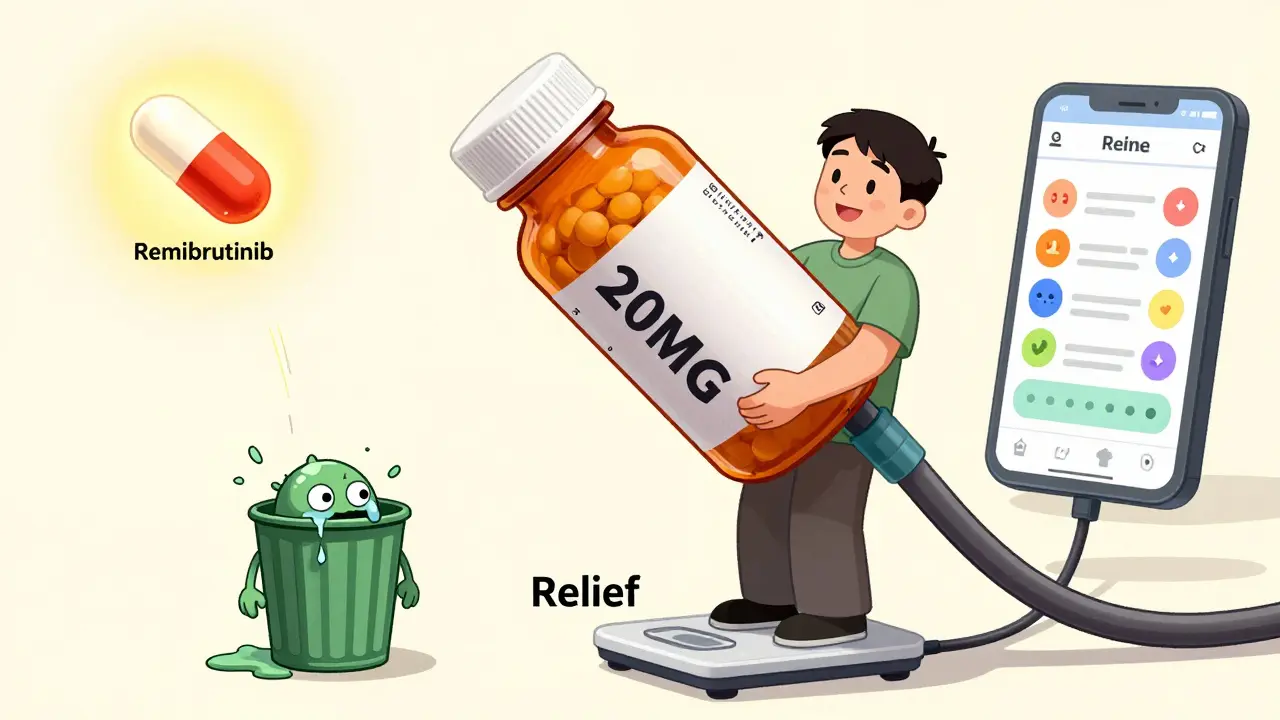
Remibrutinib, the new oral pill approved in January 2024, is a game-changer. It blocks a key enzyme (BTK) that mast cells need to activate. In trials, 45% of users had their hives fully controlled on 50mg twice daily. Best part? It’s a pill. No needles. And 85% of patients stuck with it-compared to 70% for injections.
Corticosteroids like prednisone? They work fast-sometimes in hours. But they’re not a long-term fix. After 3-5 days, side effects kick in: high blood sugar, insomnia, mood swings, weight gain. Doctors avoid them unless it’s a severe flare.
Cyclosporine? It’s effective for resistant cases, but it can damage kidneys and raise blood pressure. Used only as a last resort under strict monitoring.
What Works in Real Life? Patient Stories
On Reddit’s chronic hives community, people share what actually helps:
- “Cetirizine 20mg daily + hydroxyzine at night. Sleeps better, hives gone by noon.”
- “I stopped wearing tight bras. Dermatographism was the culprit. Simple fix.”
- “Omalizumab took 3 weeks. Day 22, I woke up without a single hive. First time in 3 years.”
- “Prednisone gave me panic attacks. Never again.”
People who track triggers with apps like Urticaria Tracker report better outcomes. One user found her hives flared every time she used a new laundry detergent. Switching brands cut her outbreaks by 80%.
But many still struggle. About 22% of chronic hives patients see 3 or more doctors before getting the right diagnosis. That’s because hives are often mistaken for eczema, fungal infections, or even psychosomatic reactions.
Getting Started: What to Do Today
If you’re dealing with hives right now, here’s your action plan:
- Start with an OTC antihistamine: Take cetirizine 10mg once daily. Don’t wait for symptoms to get worse.
- Keep a simple diary: Use your phone notes. Write down: date, hives location, what you ate, stress level (1-10), weather, new products used.
- Don’t scratch: It makes hives worse and can trigger more. Use cold compresses or gentle tapping instead.
- See a dermatologist or allergist if it lasts more than 2 weeks: Don’t wait for 6 weeks. Early intervention prevents long-term damage to your quality of life.
For chronic cases, ask your doctor about up-dosing antihistamines before jumping to biologics. Many patients never try the higher doses because they’re afraid of side effects-but studies show they’re safe for months or even years.
The Bigger Picture: Access, Equity, and Hope
Not everyone can afford omalizumab. In low-income countries, only 30% of chronic hives patients have access to biologics. In Australia, Medicare covers Xolair for approved cases, but wait times for specialists can be months. Telemedicine is helping-45% of allergists now offer virtual consults.
Research is moving fast. Drugs like linzagolix (expected FDA decision late 2024) and third-generation antihistamines with fewer side effects are in trials. Within five years, genetic tests might tell you which antihistamine your body responds to best-no trial and error.
Urticaria isn’t life-threatening, but it’s life-altering. It steals sleep. It makes you avoid social events. It makes you feel broken. But it’s treatable. And the tools to take control are better now than ever before.
You don’t have to live with it. You just need to know where to look.


Post A Comment