
When your body overreacts to something harmless—like peanuts, bee stings, or medication—it can trigger anaphylaxis, a sudden, life-threatening allergic reaction that affects multiple systems in the body. Also known as anaphylactic shock, it doesn’t wait for permission to escalate. Without quick action, it can shut down breathing, drop blood pressure, and lead to death in minutes. This isn’t just a scary scenario—it’s a real risk for millions, and knowing how to respond can mean the difference between life and death.
The gold standard for anaphylaxis treatment, the immediate, first-line response to a severe allergic reaction is an epinephrine auto-injector, a simple device that delivers a life-saving dose of epinephrine into the thigh muscle. It’s not optional. It’s not "maybe." If you or someone you care about has a history of severe allergies, this device must be carried at all times. Delaying epinephrine—even by a few minutes—can make treatment harder, increase hospital stays, and raise the risk of death. Antihistamines like Benadryl? They help with mild itching or hives, but they do nothing to stop airway swelling or low blood pressure. Relying on them alone during anaphylaxis is like using a bandage on a ruptured artery.
After epinephrine, calling 911 isn’t optional—it’s mandatory. Even if symptoms seem to improve, a second wave can hit hours later. Emergency teams need to monitor you for at least 4 to 6 hours. Hospitals also give steroids and IV fluids to prevent rebound reactions. But none of that matters if you didn’t use epinephrine first. And here’s the truth most people miss: you don’t need to be sure it’s anaphylaxis to use the injector. If symptoms include trouble breathing, throat tightness, dizziness, rapid pulse, or skin swelling—use it. Better to use it and have no reaction than to hold back and lose precious time.
People often think anaphylaxis only happens to kids or those with known food allergies. But it can strike anyone, anytime—even if they’ve never had a reaction before. New allergies can develop in adulthood. Medications like antibiotics or NSAIDs can trigger it. Even some vaccines carry a tiny risk. That’s why understanding the signs matters for everyone, not just those with a diagnosis. Keep your injector accessible—not tucked in a purse or glove compartment. Teach family, coworkers, teachers how to use it. Practice with a trainer device. Make sure your phone is charged. These aren’t "nice-to-haves." They’re survival tools.
Below, you’ll find real-world insights from medical professionals and patients who’ve faced this emergency. You’ll learn how to recognize early warning signs, avoid common mistakes in treatment, and understand why some medications can increase your risk. No fluff. No theory. Just what you need to act fast and stay safe.
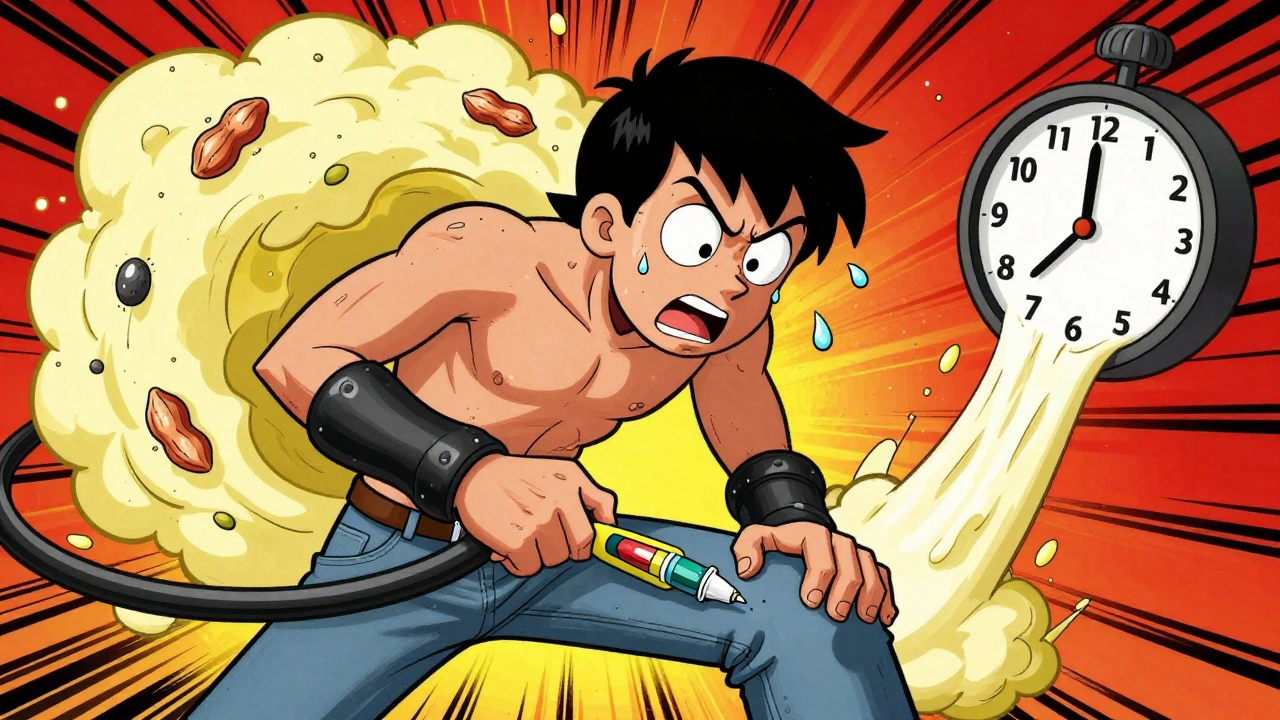
Learn how to use an epinephrine auto-injector correctly during an anaphylactic emergency. Step-by-step guide for EpiPen, Auvi-Q, and other devices to save a life.
Read More