
When you take biologics, a class of targeted drugs made from living cells that treat autoimmune diseases like rheumatoid arthritis, Crohn’s, and psoriasis. Also known as biologic drugs, they work by blocking specific parts of your immune system that cause inflammation. But this same power comes with a serious trade-off: your body becomes less able to fight off infections. This isn’t just a minor side effect—it’s a well-documented, real-world risk that affects thousands of people every year.
The biggest concern comes from TNF inhibitors, a subgroup of biologics that block tumor necrosis factor, a key protein in inflammation. Also known as anti-TNF therapies, these include drugs like Humira, Enbrel, and Remicade. Studies show people on TNF inhibitors are up to four times more likely to develop serious infections like tuberculosis, pneumonia, or fungal infections compared to those not taking them. Even common bugs like strep throat or urinary tract infections can turn dangerous when your immune system is dampened. Other biologics, like interleukin blockers or B-cell depleters, carry similar but sometimes different risks. For example, drugs that wipe out B-cells can leave you vulnerable to viral reactivations like hepatitis B or shingles. This isn’t theoretical. The FDA has issued multiple safety alerts over the past decade warning doctors and patients about outbreaks linked to biologics—some fatal.
It’s not about avoiding biologics altogether. For many, they’re life-changing. But it’s about knowing your risk and acting on it. Before starting, you should be tested for latent TB and hepatitis. You need to stay up to date on vaccines—though live vaccines like MMR or shingles shot are usually off-limits while on treatment. If you develop a fever, persistent cough, or unexplained fatigue, don’t wait. Tell your doctor right away. These drugs don’t make you sick—they just make it harder for your body to fight off what’s already there.
You’ll find real-world guidance in the posts below: how to track symptoms that might signal an infection, what to ask your pharmacist about drug interactions, how to recognize early warning signs, and how other patients manage their care while staying safe. This isn’t just about medication—it’s about protecting your health while using powerful tools that change your life.
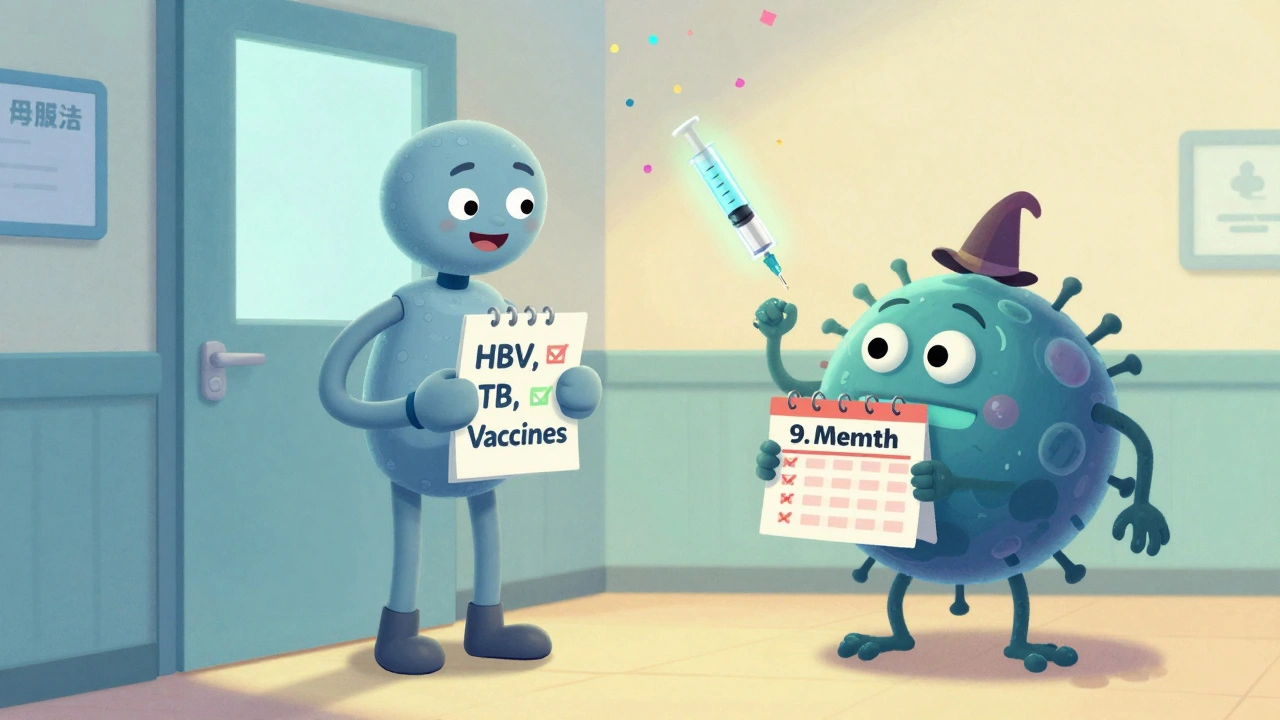
Biologics for autoimmune diseases reduce inflammation but increase infection risk. Learn the essential screening, vaccination, and safety steps to protect yourself before and during treatment.
Read More