
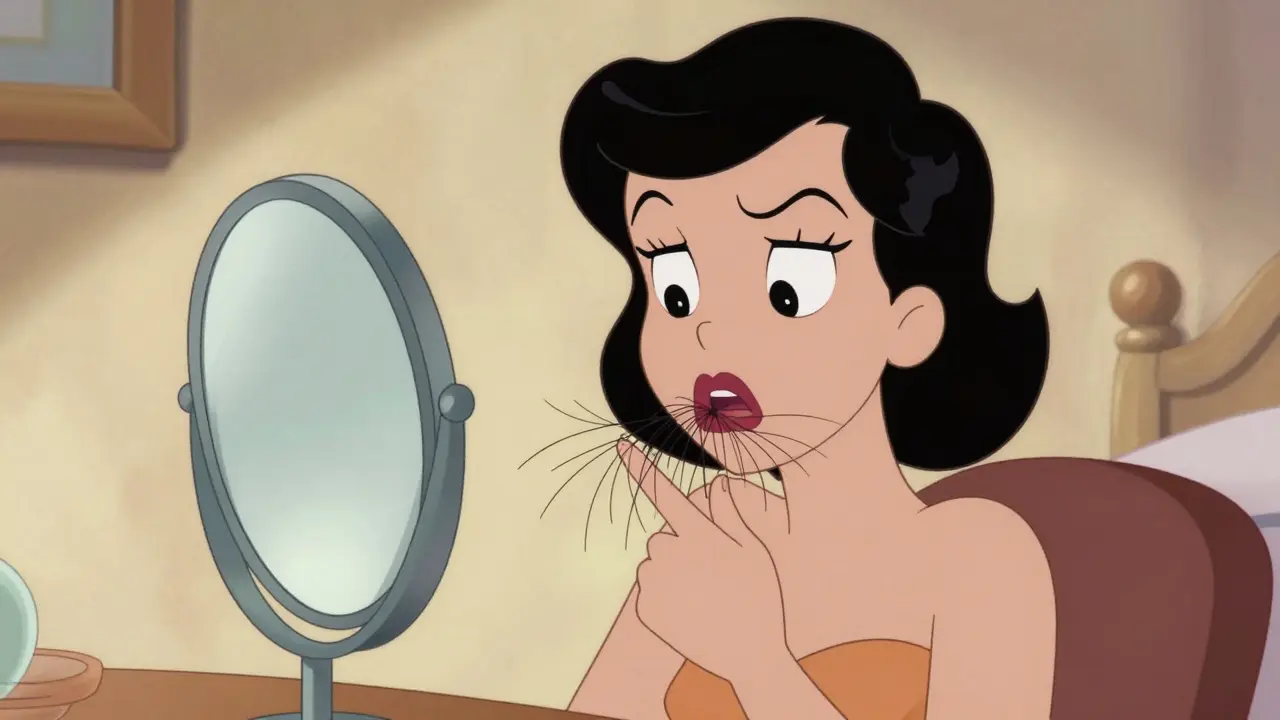
Dealing with thick, dark hair on your chin, chest, or back when you'd rather not have it is one of the most frustrating parts of living with Polycystic Ovary Syndrome (PCOS). For many, it isn't just a grooming annoyance; it's a daily reminder of the hormonal imbalance happening inside the body. If you've tried everything from threading to shaving and nothing seems to stick, you've likely heard the term Hirsutism in PCOS. This is the medical name for excessive terminal hair growth in women, driven by higher-than-normal levels of androgens-male hormones like testosterone.
While the process of slowing down hair growth is slow and often requires a bit of patience, there are targeted medical options called antiandrogens that can help. These aren't a "magic pill" that makes hair vanish overnight, but when used correctly, they can significantly reduce the density and coarseness of the hair. Here is a realistic look at how these medications work, what the latest research says, and what you can actually expect from the treatment process.
Key Takeaways for Managing PCOS Hair Growth
- Antiandrogens are typically second-line treatments used after combined oral contraceptive pills (COCPs).
- Visible results usually take 6 to 12 months of consistent use.
- Spironolactone and Finasteride are the most common oral options.
- Strict contraception is mandatory because these medications can cause birth defects.
- Topical creams like Eflornithine can be added to slow growth further.
What Exactly Are Antiandrogens?
In simple terms, Antiandrogens is a group of pharmacological agents designed to block the effects of androgens in the body. In women with PCOS, the ovaries and adrenal glands often produce too much androgen. These hormones tell your hair follicles to switch from producing thin, light "vellus" hair to thick, dark "terminal" hair.
Antiandrogens tackle this problem in a few different ways. Some act like a "shield," blocking the androgen receptors so the hormones can't tell the follicle to grow thick hair. Others stop the body from producing the hormones in the first place, or prevent the conversion of testosterone into a more potent form called dihydrotestosterone (DHT), which is a primary culprit in hair coarsening.
The Main Medication Options
Depending on your health history and how you react to medication, your doctor might suggest one of these common options:
- Spironolactone is a potassium-sparing diuretic that also acts as a competitive inhibitor of the androgen receptor. It is widely used for PCOS because it blocks the receptor and inhibits the enzyme 5-α-reductase. Typical doses range from 50mg to 200mg daily.
- Finasteride is a medication that specifically inhibits 5-α-reductase type II. By doing this, it stops testosterone from turning into DHT. It's often used in doses of 2.5mg to 5mg per day.
- Eflornithine (often sold as Vaniqa) is a topical prescription cream that inhibits ornithine decarboxylase. Unlike the pills, this is applied to the skin to slow down the growth of the hair itself without affecting your systemic hormones.
| Medication | Primary Action | Typical Dose | Common Side Effects |
|---|---|---|---|
| Spironolactone | Blocks androgen receptors | 50-200 mg/day | Dizziness, irregular periods |
| Finasteride | Stops DHT production | 2.5-5 mg/day | Mood changes, libido drop |
| Eflornithine | Slows hair follicle growth | Topical Cream | Skin irritation, redness |
When Should You Start Antiandrogens?
You might be wondering why your doctor didn't start you on these immediately. According to the 2023 International Evidence-based Guideline for PCOS, Combined Oral Contraceptive Pills (COCPs) are still the first-line choice. Birth control pills help by increasing a protein that binds to testosterone, effectively lowering the amount of "free" androgen in your blood.
Antiandrogens enter the picture when the birth control alone isn't doing the trick. If you've been on COCPs for at least six months and your chin hair is still as stubborn as ever, or if you can't take birth control for medical reasons, antiandrogens are the next logical step. A recent meta-analysis from Monash University highlighted that daily use of these medications is significantly more effective than taking them every few days, leading to a more noticeable drop in the modified Ferriman-Gallwey (mFG) score-the standard tool doctors use to measure hirsutism severity.
Real-World Expectations and Pitfalls
One of the biggest hurdles with antiandrogens is the "waiting game." Hair grows in cycles. Even if a medication stops a new hair from being thick, the hairs already formed must fall out naturally before you see the change. This is why you won't see a difference in two weeks. Most patients report visible changes around the 6-to-9-month mark, with the best results appearing after 18 to 24 months.
There are also some serious safety rules. Because medications like spironolactone and finasteride can cause severe birth defects (teratogenicity), you absolutely must use effective contraception. In fact, guidelines often suggest using two forms of contraception to be safe. Additionally, spironolactone can raise potassium levels in your blood, so your doctor will need to monitor your kidney function and electrolyte levels periodically.
Patient experiences vary. Some find that adding 100mg of spironolactone to their birth control dramatically clears their jawline. Others find the side effects-like dizzy spells or mood swings-to be more bothersome than the hair growth itself. If the pills are too harsh, adding a topical like eflornithine or combining medication with laser hair removal is a great way to get better results with fewer systemic side effects.
Combining Treatments for Better Results
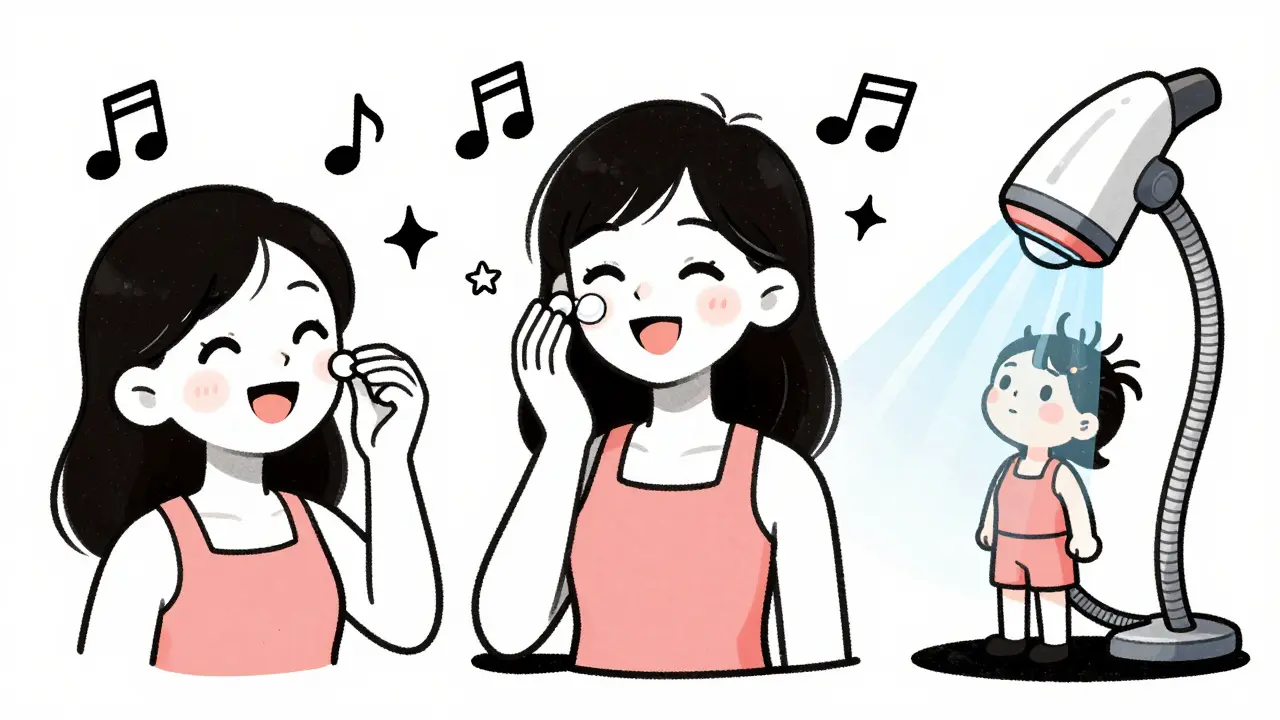
If you're looking for the most efficient way to clear unwanted hair, a multi-pronged approach usually wins. Medication treats the cause (the hormones), while mechanical methods treat the symptom (the hair).
- The Foundation: Start with hormonal management (COCPs or Antiandrogens) to stop new coarse hairs from forming.
- The Accelerator: Use topical eflornithine to slow down the growth rate of existing hairs.
- The Finisher: Use laser hair removal or electrolysis. These are much more effective when the hormones are stabilized, as the laser won't have to fight against a constant stream of new, androgen-driven growth.
How long does it take for spironolactone to work on facial hair?
You typically need to wait 6 to 12 months of consistent daily use to see a visible reduction in hair density and coarseness. Maximum benefit is often seen after 18 to 24 months because hair follicles operate on long growth cycles.
Can I take antiandrogens without birth control?
It is strongly discouraged. Antiandrogens can cause the feminization of a male fetus if you become pregnant. Furthermore, some antiandrogens can cause irregular menstrual bleeding, which birth control helps regulate.
Will these medications permanently remove my hair?
No. Antiandrogens manage the growth by blocking the hormonal trigger. If you stop the medication and your PCOS remains untreated, the androgen levels may cause the coarse hair to return over time.
What is the difference between spironolactone and finasteride?
Spironolactone blocks the androgen receptor itself and has a diuretic effect (makes you pee more). Finasteride specifically stops the enzyme that converts testosterone into the more powerful DHT. Your doctor chooses based on your specific symptoms and medical history.
Are there any natural alternatives to antiandrogens?
Lifestyle interventions, such as weight management and low-glycemic diets, can lower insulin levels, which in turn can reduce androgen production. While helpful, they are usually used alongside medical treatments for moderate to severe hirsutism.
Next Steps and Troubleshooting
If you are currently struggling with hirsutism, start by tracking your symptoms. Use a mirror to note the specific areas of growth and keep a log of any medications you've tried and for how long. This helps your doctor determine if you've hit the six-month mark required to move from first-line to second-line therapy.
If you feel dizzy on spironolactone: Talk to your doctor about starting at a low dose (25-50mg) and slowly increasing it over several months. Staying hydrated also helps manage the diuretic effect.
If you aren't seeing results after a year: It may be time to evaluate your dosage or consider adding a topical treatment or laser therapy. Ensure your hormone levels are being monitored via blood tests to see if the medication is actually lowering your androgens.