

You’re staring at a pharmacy shelf with a pounding headache or a stubborn cold, and suddenly you realize: I can't just take whatever I want anymore. It's a stressful moment. One app says a drug is fine; a random forum says it's dangerous, and the label is vaguely worded. The reality is that while many over-the-counter (OTC) drugs are safe, others can cause serious issues like birth defects or kidney problems in your baby. Because ethical rules prevent scientists from testing new drugs on pregnant women, most of what we know comes from observing thousands of real-world pregnancies. This means the "safest" choice often depends on how far along you are and your own health history.
The Golden Rule of Pregnancy Meds
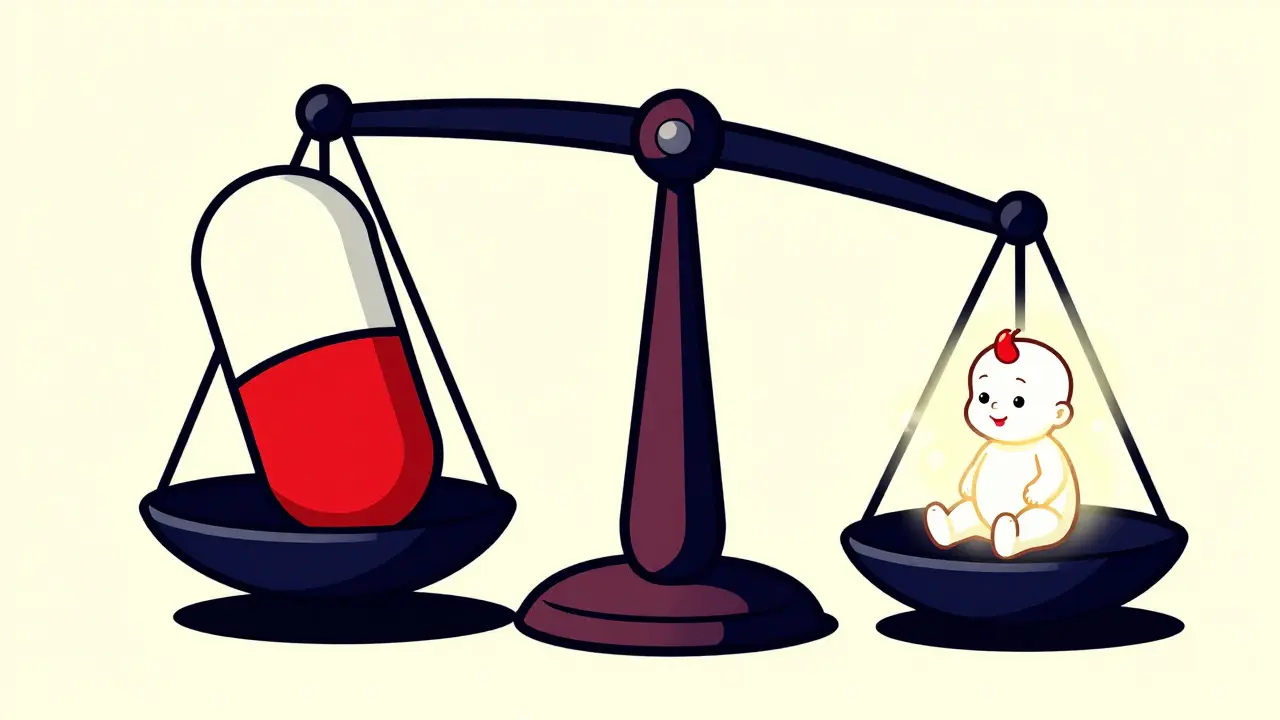
Before you swallow a single pill, remember that no medication is 100% risk-free. The goal is a risk-benefit analysis. If you have a mild itch, the risk of a drug might outweigh the benefit. If you have a 103-degree fever, the risk of the fever itself might be more dangerous for the baby than the medication used to treat it. When you call your provider, don't just ask "Can I take this?" Ask about the specific brand and the exact dosage. A "multi-symptom" cold medicine is a completely different beast than a single-ingredient drug.
To keep things simple, start with these five questions every time you consider a new drug:
- Is this medication absolutely necessary right now?
- What is the lowest dose that will actually work?
- How many days do I really need to take this?
- Is there a non-drug way to fix this (like a saline spray or a warm compress)?
- Has my doctor approved this specific brand and formulation?
Pain and Fever: The Acetaminophen vs. NSAID Debate
When it comes to pain, you'll likely hear two names constantly: Acetaminophen is a common analgesic and antipyretic used to treat pain and fever, often sold under the brand name Tylenol and NSAIDs. For years, Acetaminophen has been the gold standard for pregnancy. Most doctors suggest a dose of 650-1,000 mg every 4 hours, but you must never exceed 4,000 mg in a 24-hour period. While some recent, preliminary research has raised questions about long-term neurodevelopment, it remains the safest widely available option.
Then there are the NSAIDs (Nonsteroidal Anti-inflammatory Drugs), which include Ibuprofen (Advil, Motrin) and Naproxen (Aleve). These are much riskier. Using them in the first trimester is linked to a higher risk of miscarriage. More critically, the FDA warns against using them after 20 weeks. Why? Because they can cause low amniotic fluid and lead to kidney complications for the fetus. In the third trimester, they can even cause the premature closure of a vital heart vessel called the ductus arteriosus, which can lead to heart failure in the baby.
| Drug Type | Common Brands | General Safety Status | Major Risks |
|---|---|---|---|
| Acetaminophen | Tylenol | Generally Safe (All Trimesters) | Liver toxicity if overdosed |
| NSAIDs | Advil, Motrin, Aleve | Avoid after 20 weeks | Kidney issues, low amniotic fluid |
Managing Colds, Allergies, and Heartburn
Colds are a nightmare during pregnancy, but the "all-in-one" cold liquids are often a trap. Many contain Phenylephrine or Pseudoephedrine (Sudafed), which are decongestants. While some doctors allow them later in pregnancy, using them in the first trimester is linked to a higher risk of gastroschisis (an abdominal wall defect). If you need a cough suppressant, stick to a plain Dextromethorphan product like basic Robitussin. Avoid the "Multi-Symptom" versions that mix in ingredients you don't need.
For allergies, second-generation antihistamines are usually the way to go. Loratadine (Claritin), Cetirizine (Zyrtec), and Fexofenadine (Allegra) are generally considered safe. First-generation options like Benadryl often make you too drowsy and usually require a doctor's nod first.
Heartburn is almost a rite of passage for expectant moms. Most providers suggest starting with Calcium Carbonate (Tums) at doses under 2,000 mg daily. If that doesn't cut it, options like Famotidine (Pepcid AC) or combinations of aluminum and magnesium hydroxide are usually approved. Just be careful not to overdo the calcium, as it can interfere with other medications.
The Danger of "Natural" and Combination Products
There is a common misconception that if a label says "natural" or "herbal," it's automatically safe for the baby. This is a dangerous gamble. Many herbal supplements are not regulated by the FDA and can contain contaminants or chemicals that cross the placenta. In fact, a significant number of pregnancy complications stem from these "innocuous" herbal remedies taken without medical advice.
The same goes for combination products. If you buy a "Nighttime Cold & Flu" syrup, you're taking three or four different drugs at once. One might be safe, but another could be a risk. Always look for the "plain" version of a medication. Also, check for hidden alcohol. Some "alcohol-free" syrups still contain 5-10% ethanol, which is something you want to avoid entirely during pregnancy.
How to Build Your Medication Inventory
The best way to avoid a pharmacy panic is to be proactive. At your first prenatal visit, don't wait for the doctor to ask-bring a complete list. This shouldn't just be a memory list; write down the exact brand name, the dosage (e.g., 500mg), and how often you take it. This includes your daily vitamins, any prescriptions for chronic conditions, and those "occasional" OTC meds you use for headaches.
This list allows your provider to spot potential interactions. For example, if you're taking a specific medication for blood pressure, certain antacids can change how that drug is absorbed. By having a documented inventory, you and your doctor can create a "Safe List" of approved medications that you can keep on your fridge, saving you from stressful Google searches at 2 AM.
Is Tylenol really the safest option?
Yes, according to the American College of Obstetricians and Gynecologists (ACOG) and other major health bodies, acetaminophen is the safest pain reliever for pregnant women. While some new studies are exploring potential links to neurodevelopmental issues, the current medical consensus remains that it is the best choice when used at recommended doses (not exceeding 4,000 mg per day).
Can I take Ibuprofen if I have a severe headache?
You should avoid Ibuprofen (Advil, Motrin) and other NSAIDs, especially after 20 weeks of pregnancy. They are linked to a higher risk of miscarriage in the first trimester and can cause kidney problems or low amniotic fluid in the fetus later in pregnancy. Stick to acetaminophen unless your doctor specifically tells you otherwise.
Are "natural" herbal remedies safe for the baby?
Not necessarily. Many herbal products are not regulated and may contain ingredients that are unsafe during pregnancy. "Natural" does not always mean "safe." Always consult your healthcare provider before starting any herbal supplement or home remedy.
Which allergy meds are best during pregnancy?
Second-generation antihistamines like Loratadine (Claritin), Cetirizine (Zyrtec), and Fexofenadine (Allegra) are generally considered safe throughout pregnancy. They are typically preferred over first-generation options like diphenhydramine (Benadryl) because they cause less sedation.
What should I look for on a cold medicine label?
Look for single-ingredient products. Avoid "multi-symptom" formulas that include decongestants like pseudoephedrine or phenylephrine, especially in the first trimester. Also, check for the presence of alcohol or ethanol in syrups.
Next Steps for Your Safety
If you've already taken an OTC medication and you're worried, don't panic. One accidental dose of a restricted drug rarely causes a problem, but you should still call your doctor to let them know. Moving forward, the best strategy is to transition from "reactive" to "proactive." Instead of treating symptoms as they appear, discuss a symptom-management plan with your OB-GYN now. This ensures that when the inevitable pregnancy cold or heartburn hit, you already have a verified, safe plan in place.