
When you pick up a prescription, the little number on the box isn’t just random—it’s your NDC code, a unique 10- or 11-digit identifier assigned by the FDA to every drug product sold in the United States. Also known as the National Drug Code, it’s the barcode that tells pharmacies, insurers, and regulators exactly which drug, strength, and manufacturer you’re getting. Without it, tracking recalls, verifying prescriptions, or even spotting counterfeit pills would be nearly impossible.
NDC codes aren’t just for pharmacists. They’re tied to every step of your treatment. If your medication gets recalled, the FDA uses NDC codes to pull only the affected batches—not every version of the drug. When your insurance denies a claim, it’s often because the NDC didn’t match the prescribed product. And if you’re using a symptom diary or checking for drug interactions, knowing the NDC helps you confirm you’re tracking the right version, especially with generics that look identical but have different inactive ingredients.
Related to this are lot numbers, specific production batch identifiers used for traceability and recalls, which work hand-in-hand with NDC codes. While the NDC tells you what the drug is, the lot number tells you when and where it was made. Together, they form the backbone of drug safety systems. You’ll see both on packaging for things like epinephrine auto-injectors, sterile injectables, and even over-the-counter sunscreens. If you’ve ever wondered how the FDA finds out which batches caused contamination or why some generic drugs trigger more side effects than others, the answer often starts with these codes.
Manufacturing flaws, drug interactions, and dosing errors—many of the issues covered in the posts below—can be traced back to mislabeled or mismatched NDC codes. A mix-up between two look-alike generics? Often, it’s because the NDC wasn’t double-checked. A recall that missed your bottle? Maybe the NDC on your label didn’t match the one in the FDA database. Even something as simple as Medicare Extra Help or pharmacy profit margins ties into how NDC codes are used to process claims and track which drugs are being sold and at what price.
You don’t need to memorize your NDC code, but you should know where to find it—usually printed on the prescription label or the drug packaging. If you’re worried about a recall, a medication error, or just want to be sure you’re getting the right version, check it. It’s the one thing that turns a vague drug name into a precise, trackable product. Below, you’ll find real-world examples of how NDC codes connect to everything from sterile manufacturing failures to generic drug confusion, and why paying attention to them can protect your health.
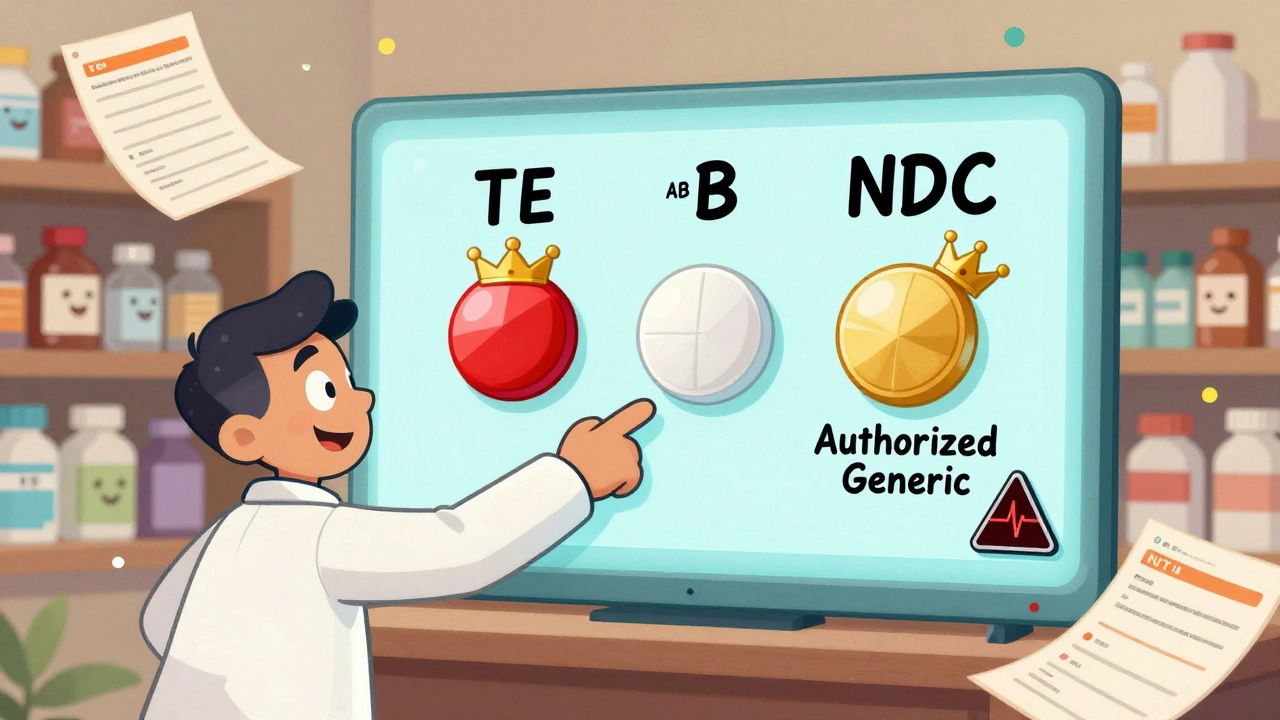
Learn how pharmacy systems accurately identify generic and brand-name drugs using NDC codes, TE ratings, and FDA guidelines. Best practices for safety, cost savings, and patient trust.
Read More